
We use cookies to enhance your experience and analyze site usage. You can at any time.
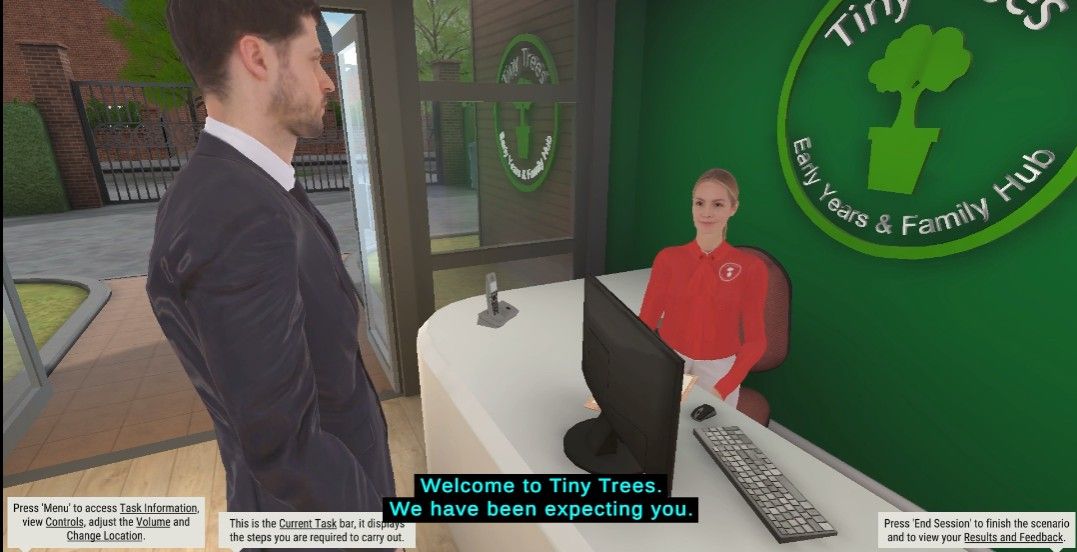

Prepare for a learning walk by understanding what should be included, how to communicate confidently and how to discuss pedagogy and EYFS rationale with inspectors.
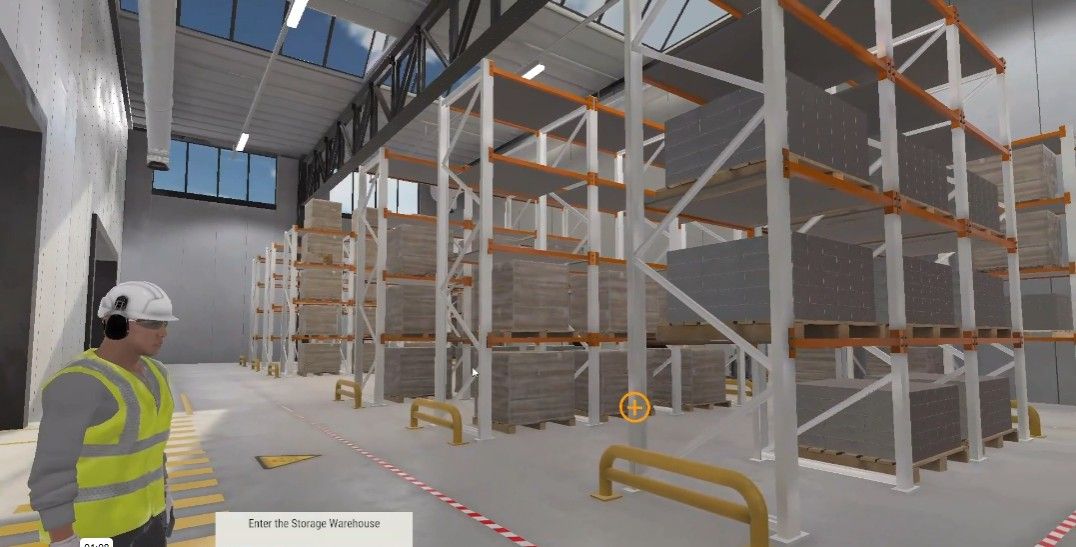
Work through an induction to an advanced smart factory environment, exploring automated systems, robotics, CNC machinery, 3D printing and condition monitoring while understanding the operational processes and safety implications of Industry 4.0 technologies.
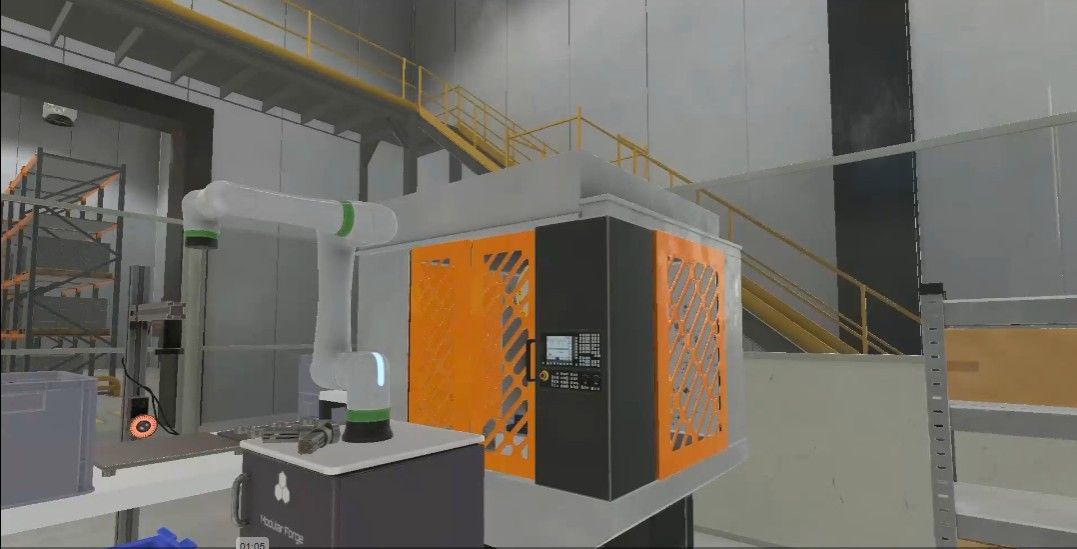
Work through the setup, programming and operation of collaborative and industrial robots, including transferring parts from CNC machinery and palletising boxes for dispatch while applying correct safety and verification procedures.
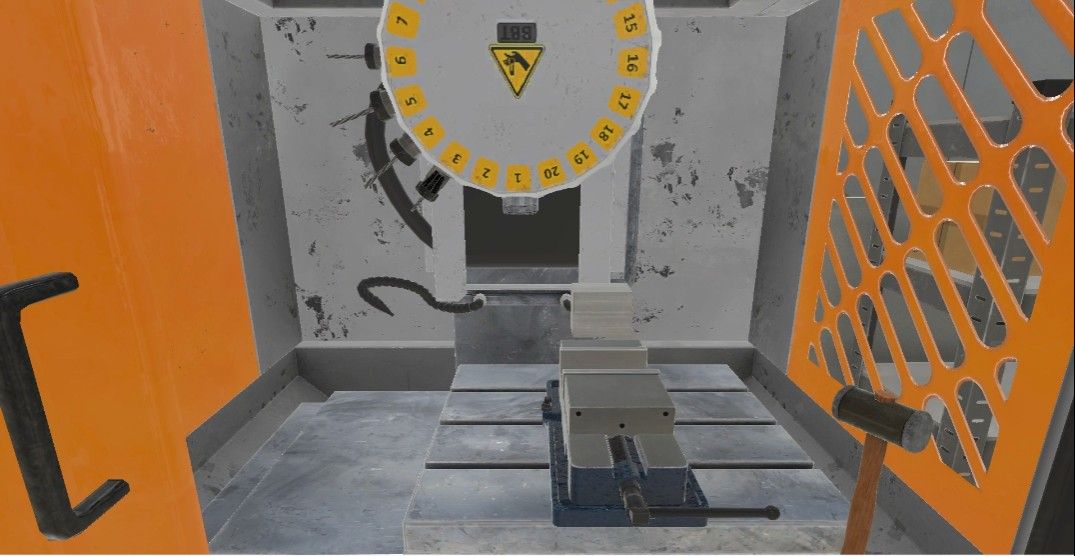
Work through the setup of CNC machinery, including navigating the workshop, identifying work‑holding and tool‑holding devices, mounting equipment safely and preparing the machine for operation.
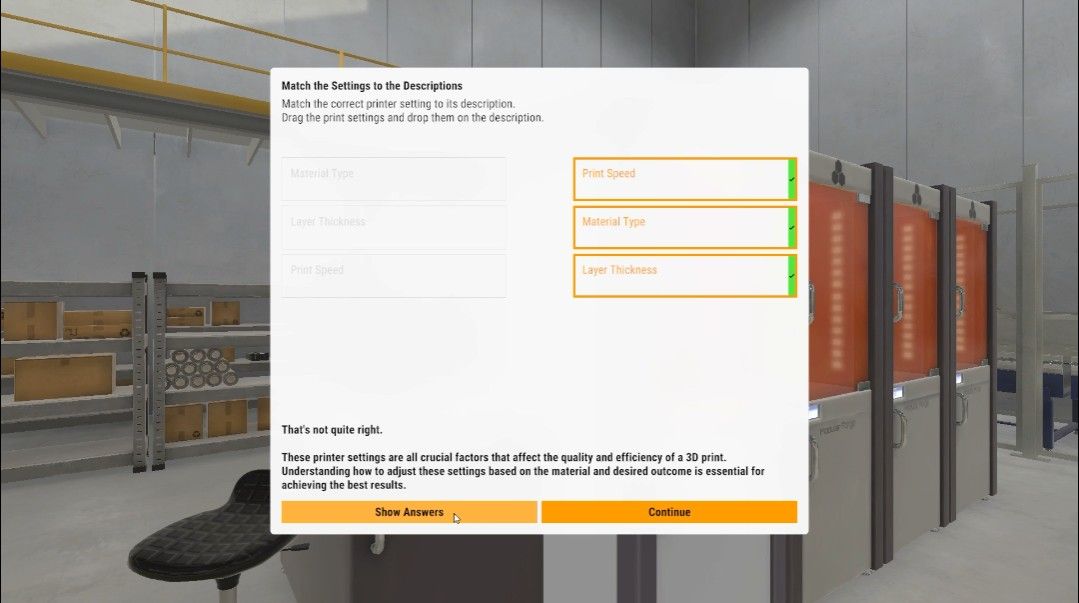
Work through the setup and operation of a 3D printer, including preparing the machine, configuring settings, performing pre‑print checks, loading a model and troubleshooting common issues.
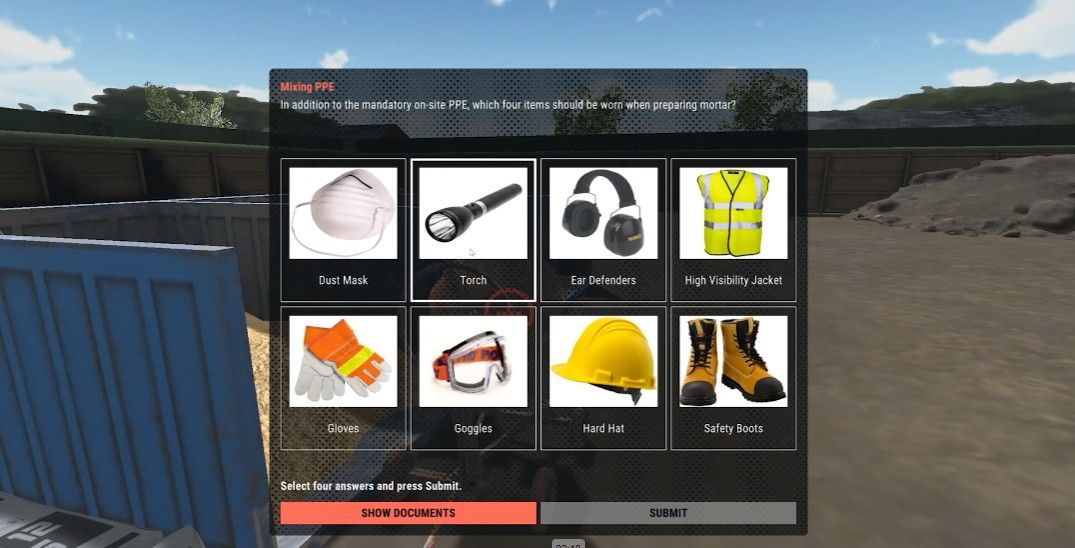
Develop practical construction skills by guiding learners through the safe and efficient process of building a new bungalow up to damp-proof course level.
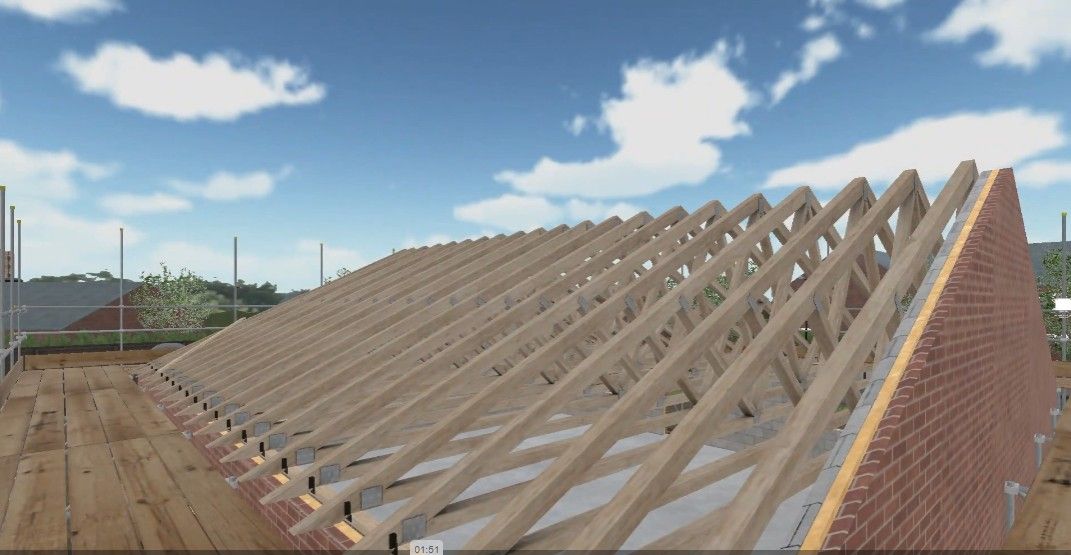
Work through the process of fitting W‑shape roof trusses, hanging an external door and installing a mortice lock while applying correct safety procedures, tool use and best‑practice construction methods.
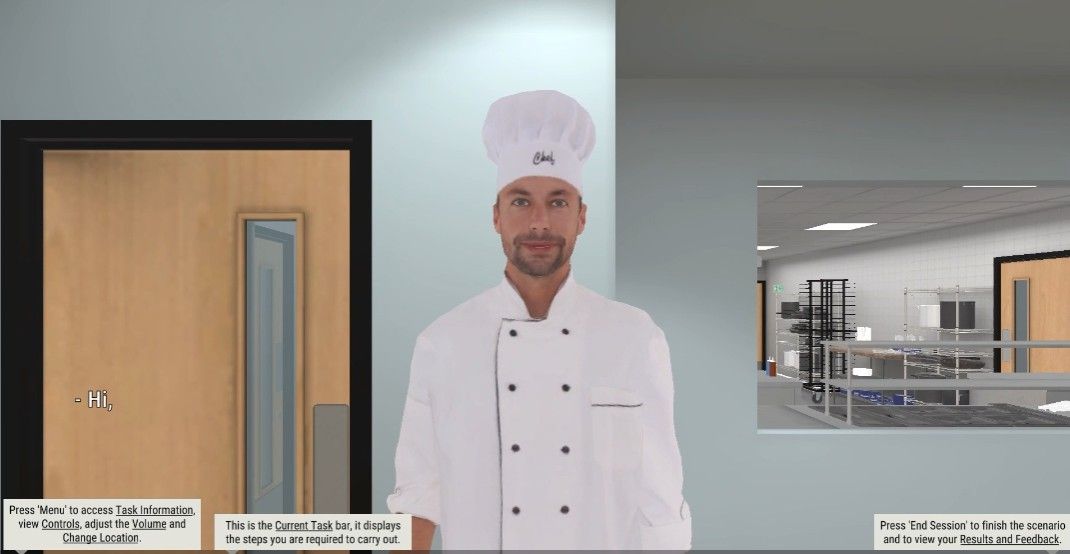
Work through an induction to a commercial kitchen environment, exploring PPE requirements, equipment use and safe food storage practices.
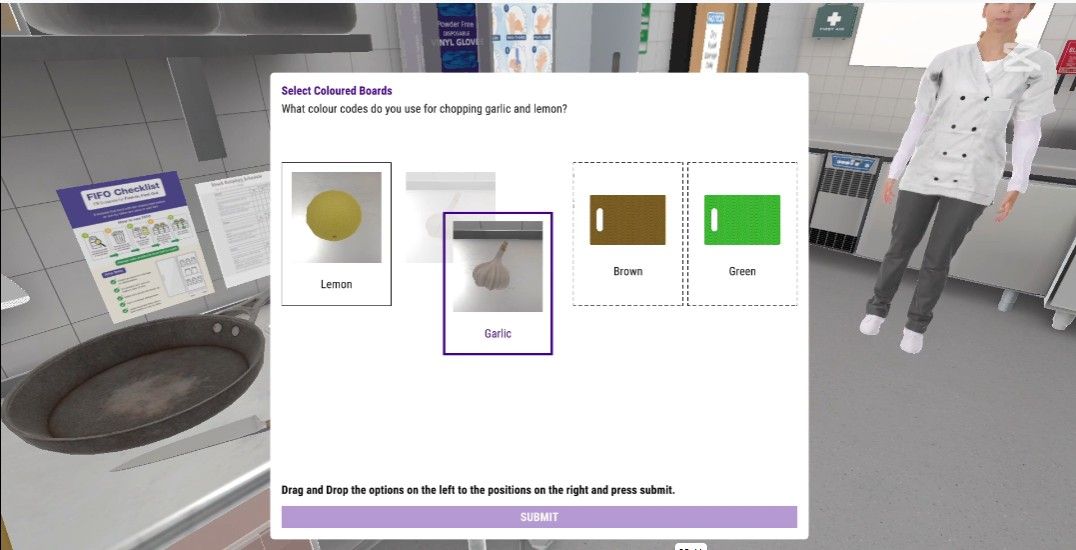
Work through the preparation, cooking and finishing of a spatchcock chicken while following all required hygiene, safety and food‑handling procedures.
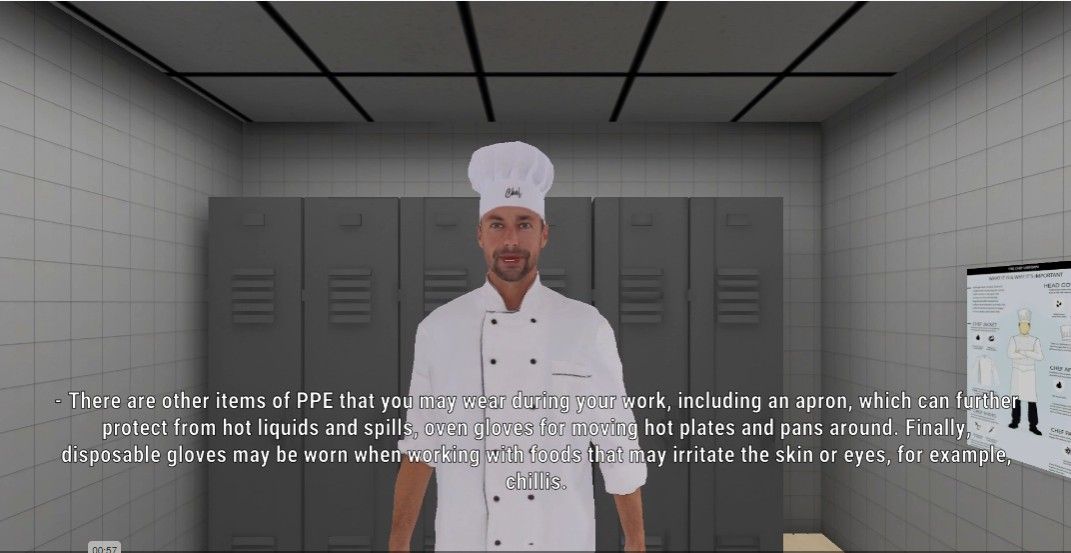
Work through the preparation, cooking and finishing of boulangère potatoes and Chantenay carrots while applying correct hygiene, safety and food‑handling procedures.
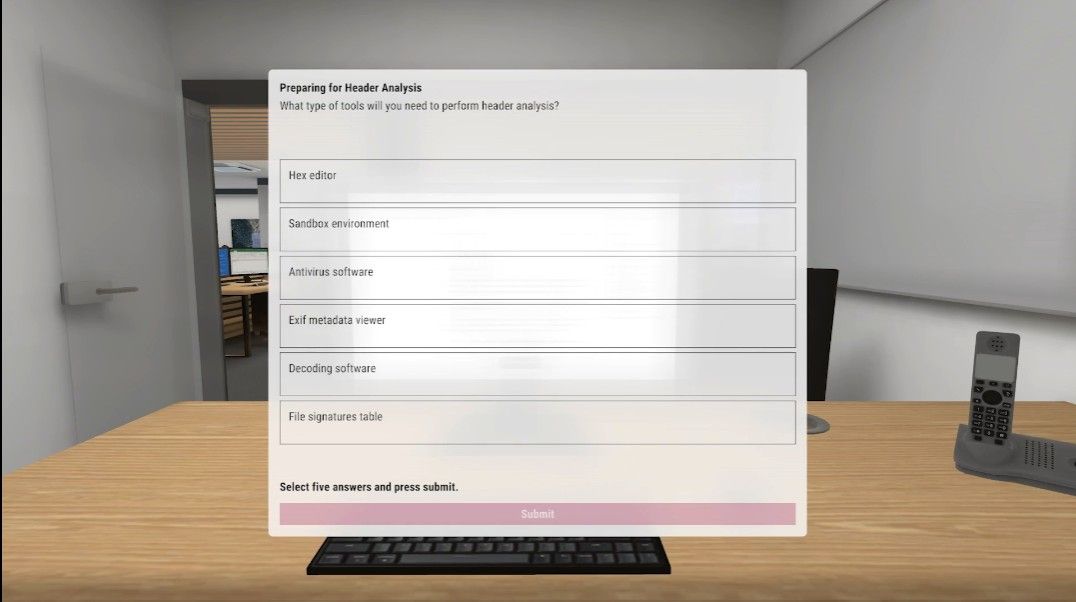
Work through a realistic phishing scenario where you analyse a suspicious email, identify threat indicators and decide on the safest course of action to protect organisational systems.
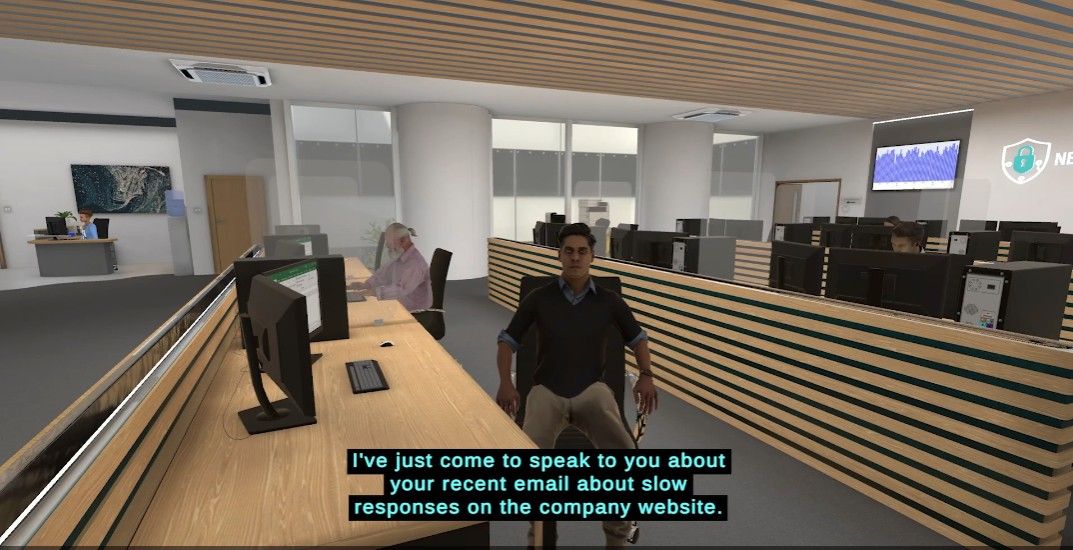
Work through a simulated DDoS attack where you analyse traffic patterns, apply mitigation techniques and maintain business continuity while preparing for post‑attack recovery.
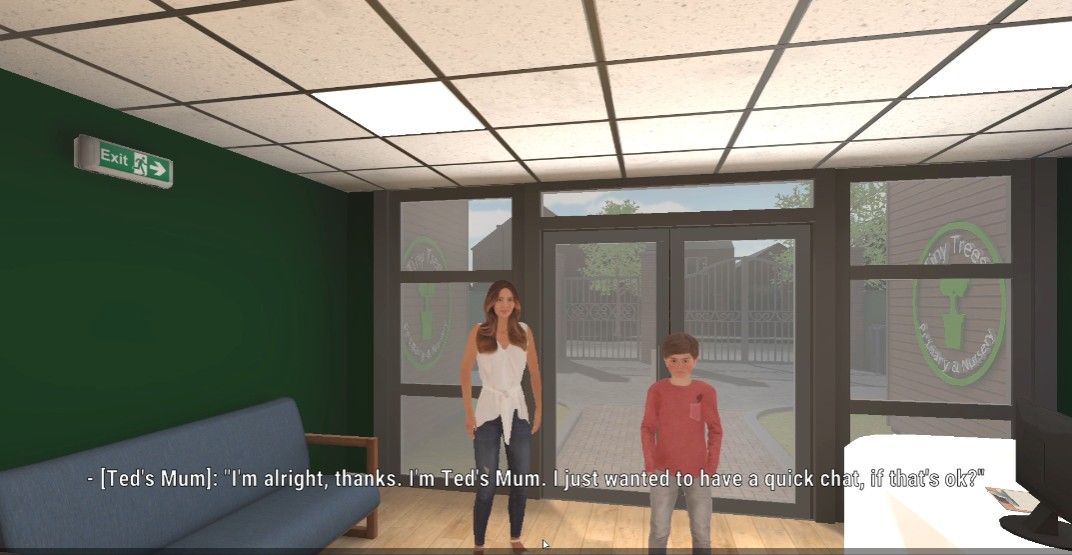
Respond to a child who arrives feeling unwell by assessing their condition, adapting care as needed, following medication procedures and communicating effectively with parents.
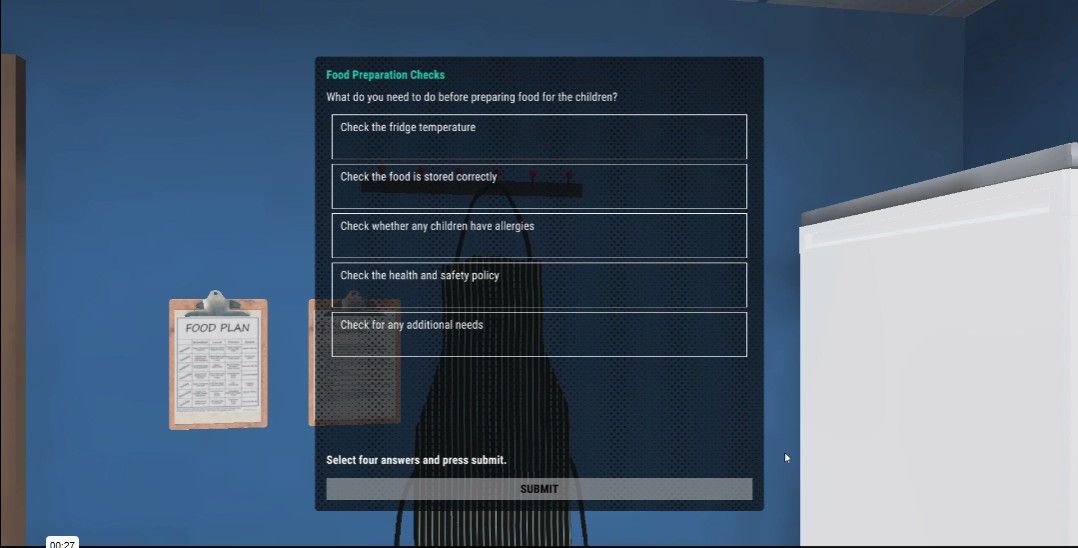
Prepare a snack for children while following food safety guidelines, checking for allergies, involving children in learning and communicating with parents.
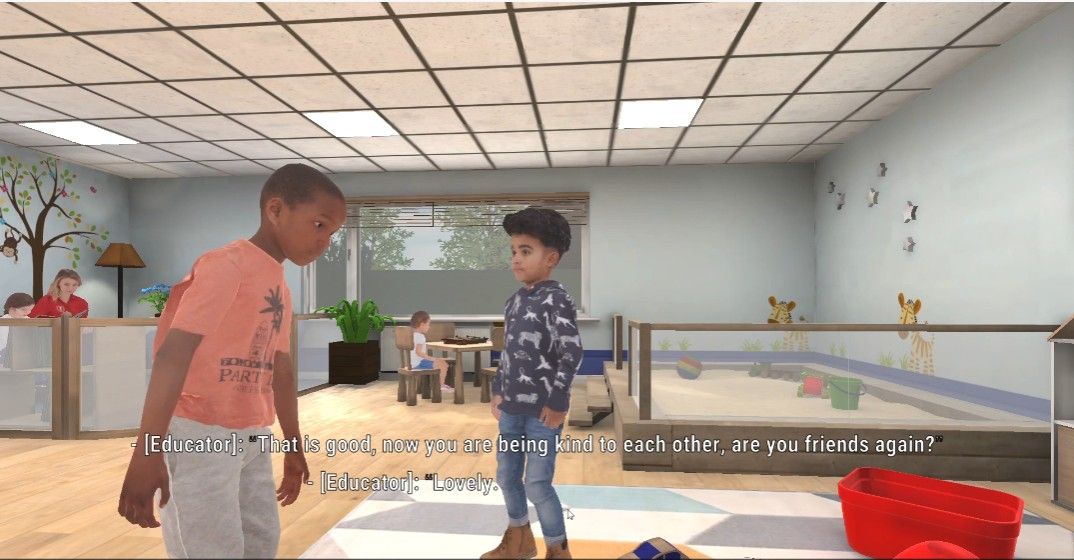
Respond to challenging behaviour safely and effectively, assess the child’s needs, follow behaviour management policies and communicate with parents.
Develop the knowledge needed to support a child’s transition into an early years setting, identify emerging concerns and create a child‑centred plan for successful settling‑in.
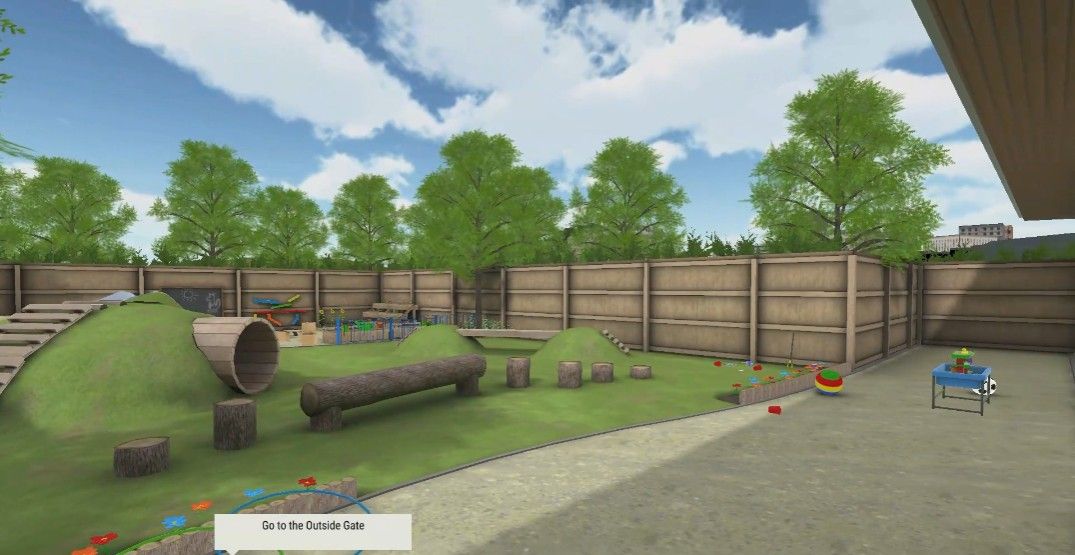
Identify risks at the start of the day, apply dynamic risk assessment principles and complete a formal risk assessment using the correct documentation.
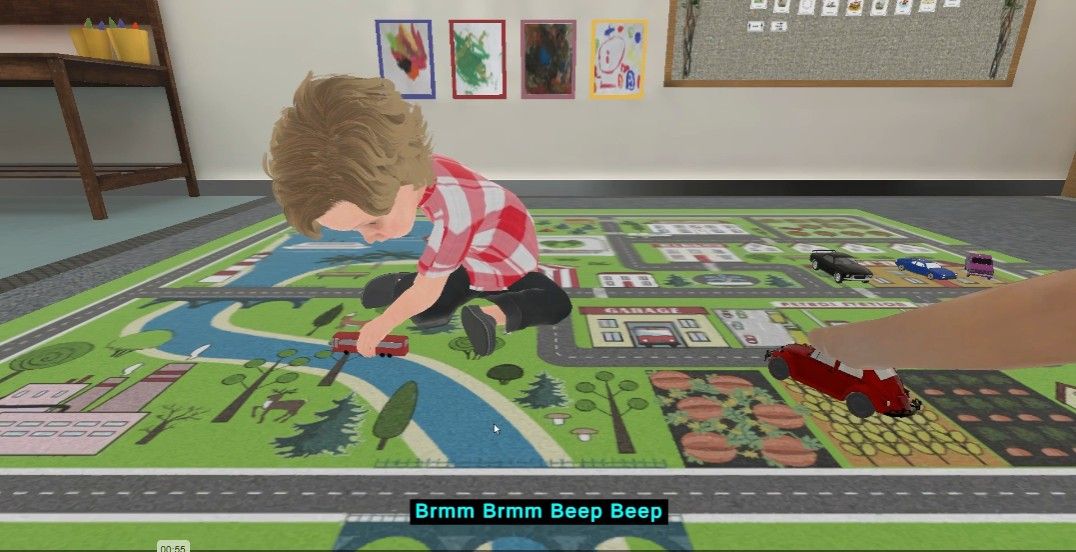
Identify different types of transitions young children may experience and explore ways adults can sensitively support children to cope with change, build resilience and feel secure.
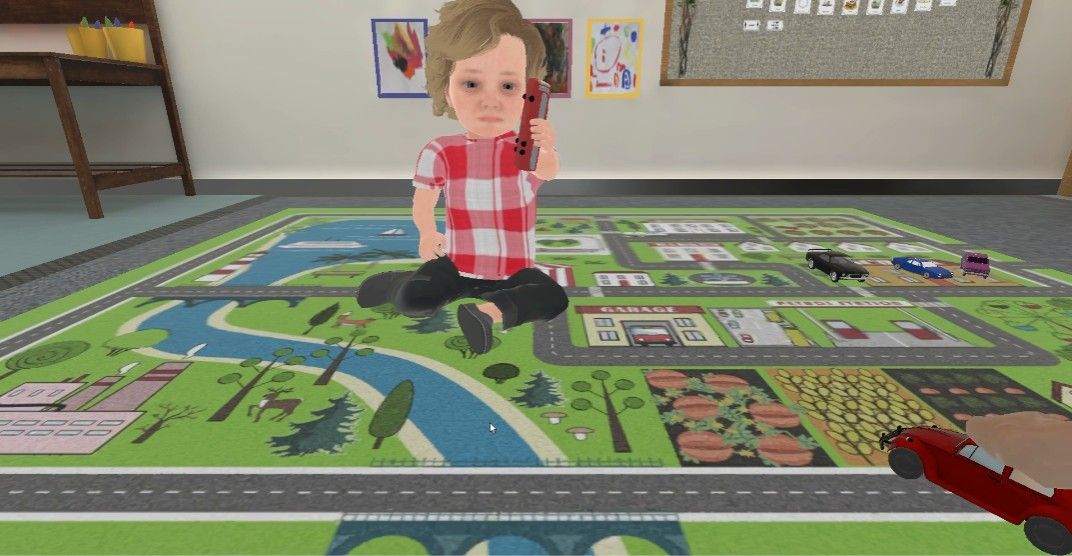
Develop the skills needed to support early language and communication by recognising verbal and non‑verbal cues, creating meaningful interactions and extending children’s communication.
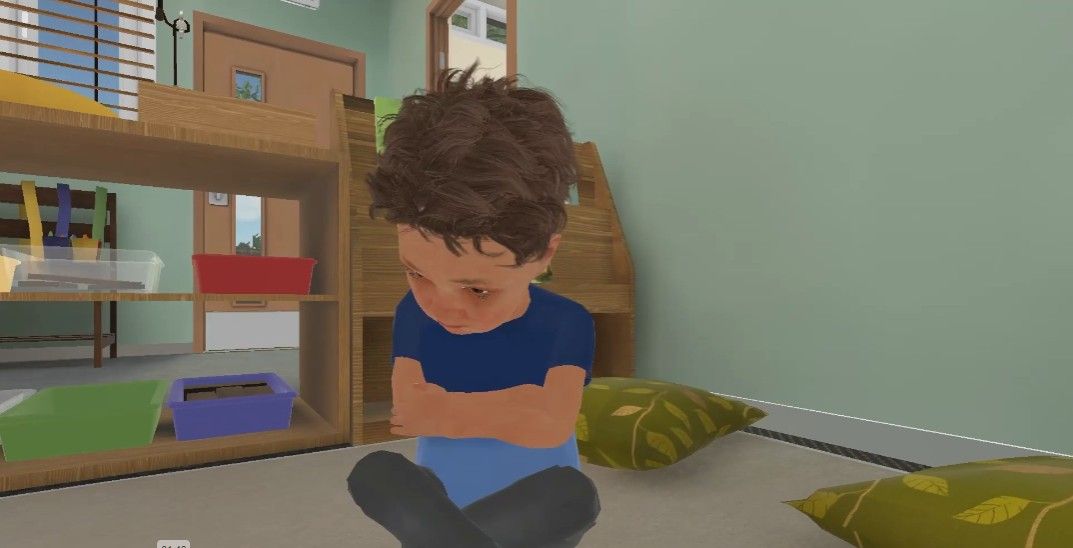
Explore key principles of confidentiality and information sharing in safeguarding, including what must be shared, how to share it appropriately and who it can be shared with.
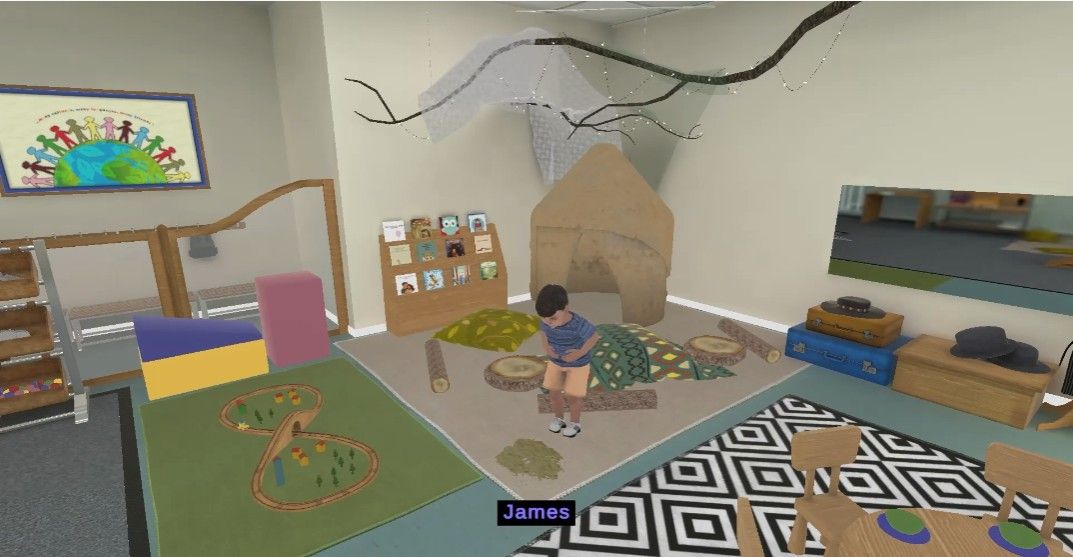
Work through scenarios relating to infection control and hygiene management in early years settings, including illness management, hygiene routines and relevant guidance.
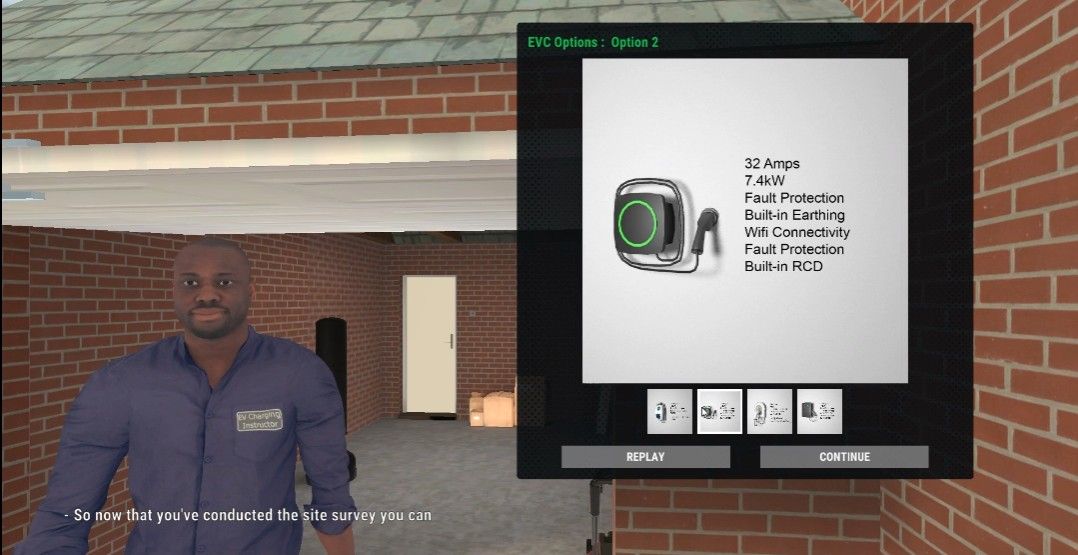
Follow a guided installation process for a domestic electric vehicle charger, including surveying the property, designing the installation and understanding inspection and testing requirements with instructor support.
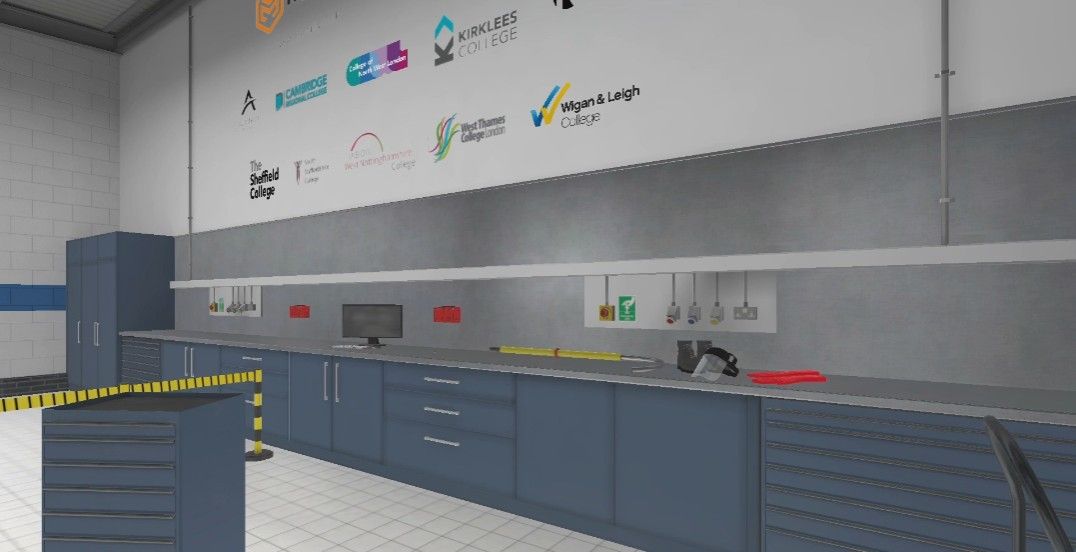
Carry out a full domestic EV charger installation assessment by surveying the property, designing the installation and completing inspection and testing, responding to questions at each stage.
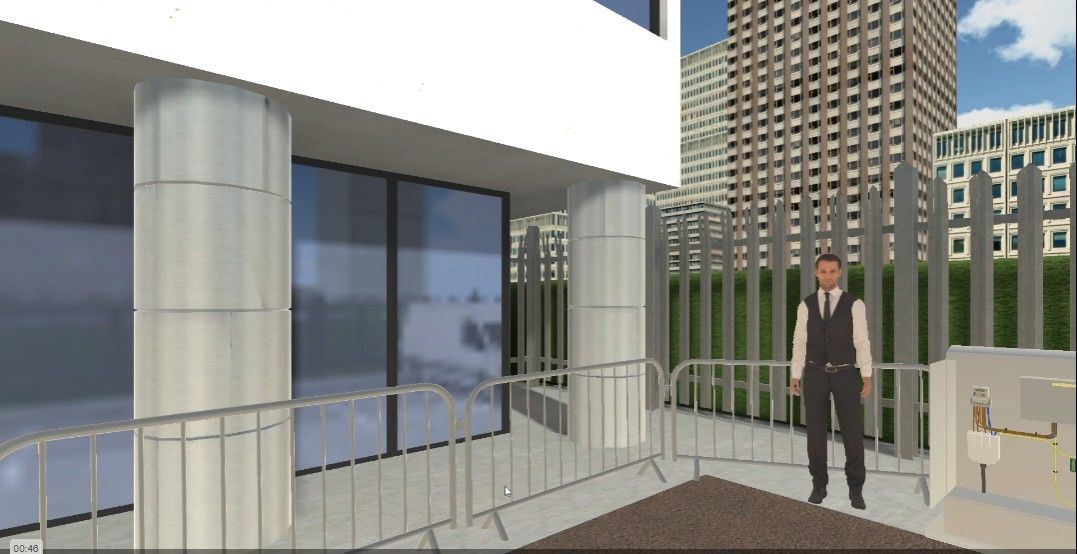
Conduct a site survey of a commercial car park, design the installation of an EV charger and complete inspection and testing of the system, answering questions throughout the process.
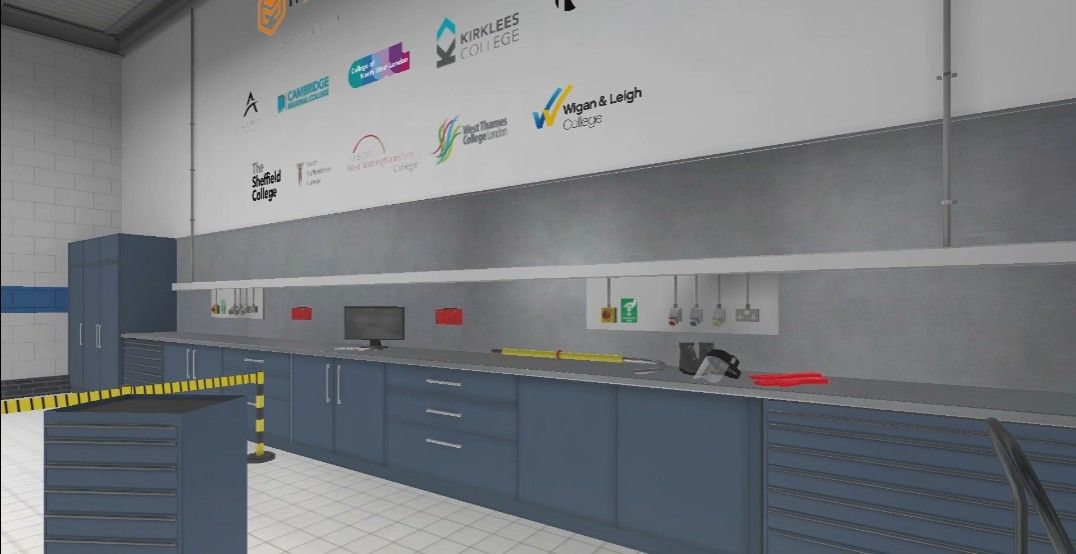
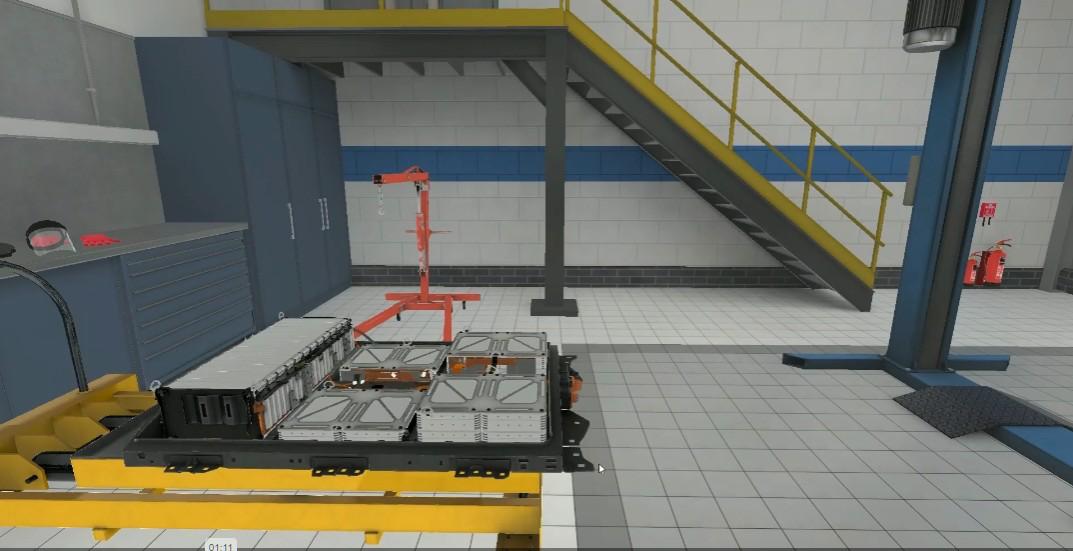
Learn the safety requirements, tools, PPE and procedures involved in preparing, isolating and removing a high‑voltage battery from an electric vehicle.
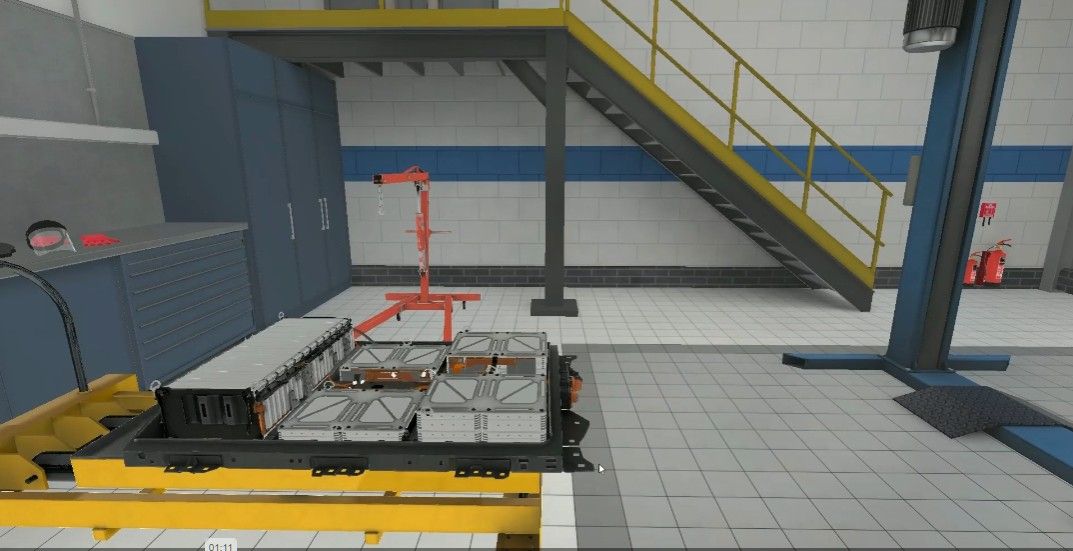
Develop the knowledge and skills required to safely maintain EV batteries, including interpreting manufacturer guidelines, selecting tools, applying safe practices and recommissioning battery systems.
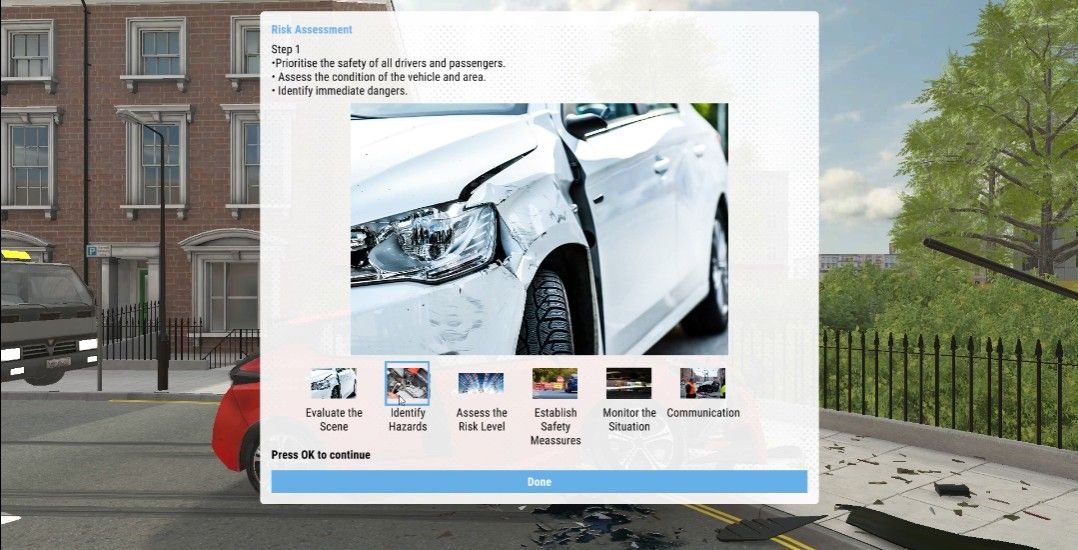
Learn how to minimise risks and safely prepare a damaged electric vehicle for removal from a crash scene, applying safety protocols and environmental considerations.
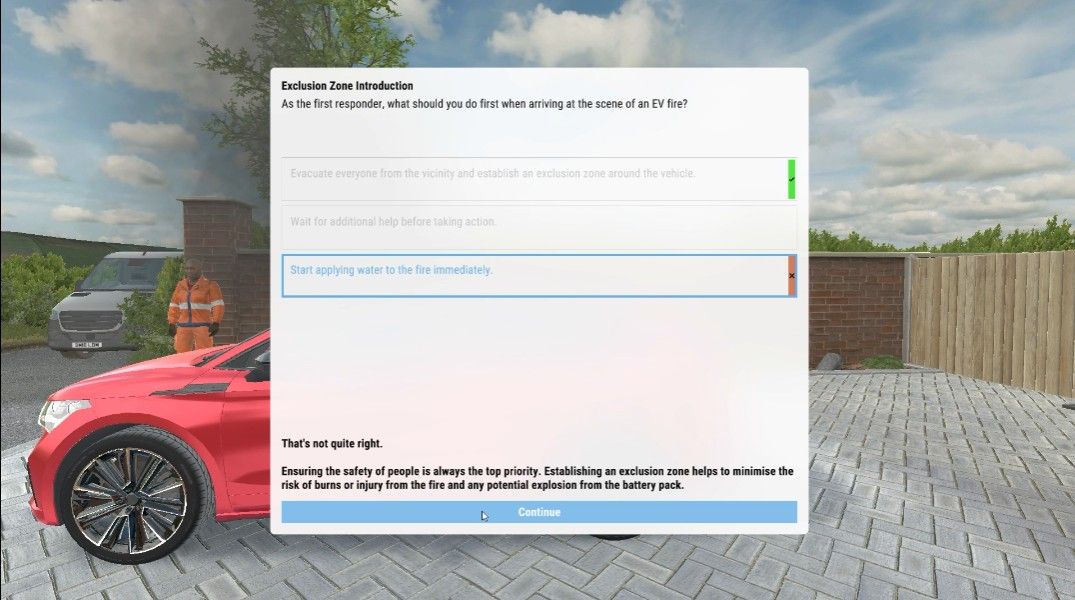
Learn how to safely manage an electric vehicle fire, including containment, risk reduction, thermal runaway awareness and environmental protection strategies.
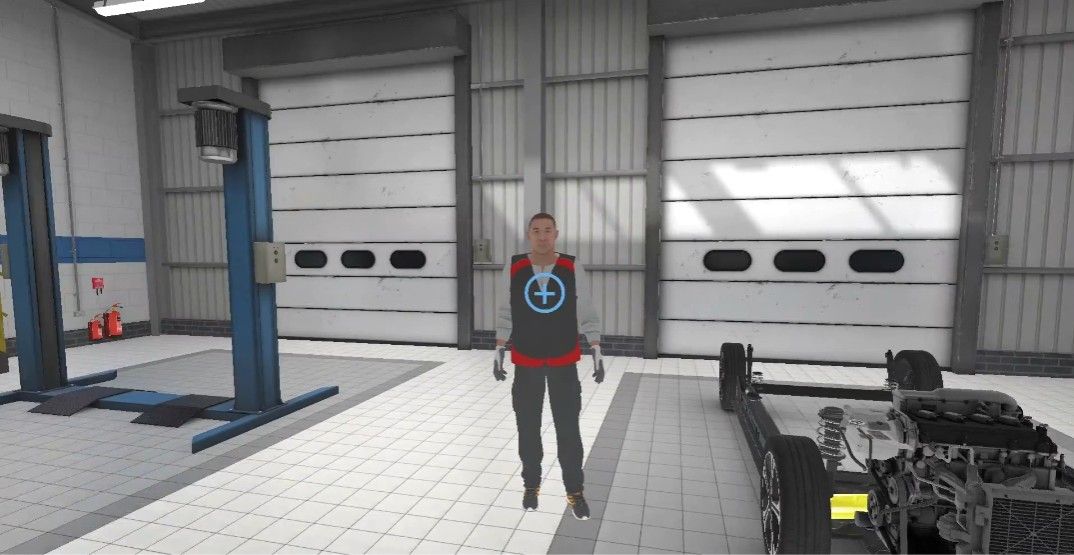
Explore the evolution from internal combustion engines to hybrid and electric vehicles, examining key components, emerging technologies and essential safety considerations.
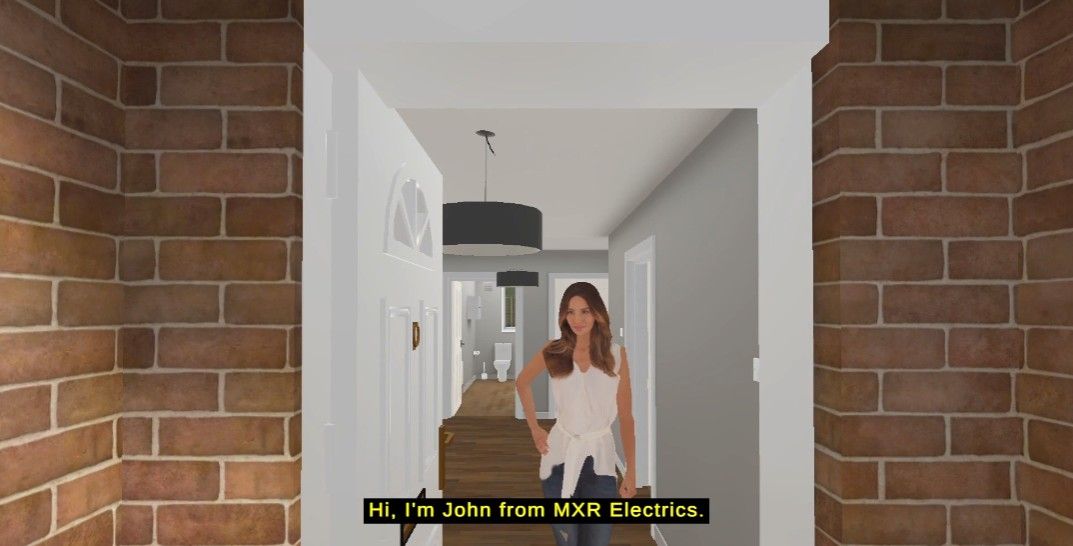
Carry out a visual inspection of electrical points such as switches, fittings and sockets, identify any faults and determine the reason for each fault.
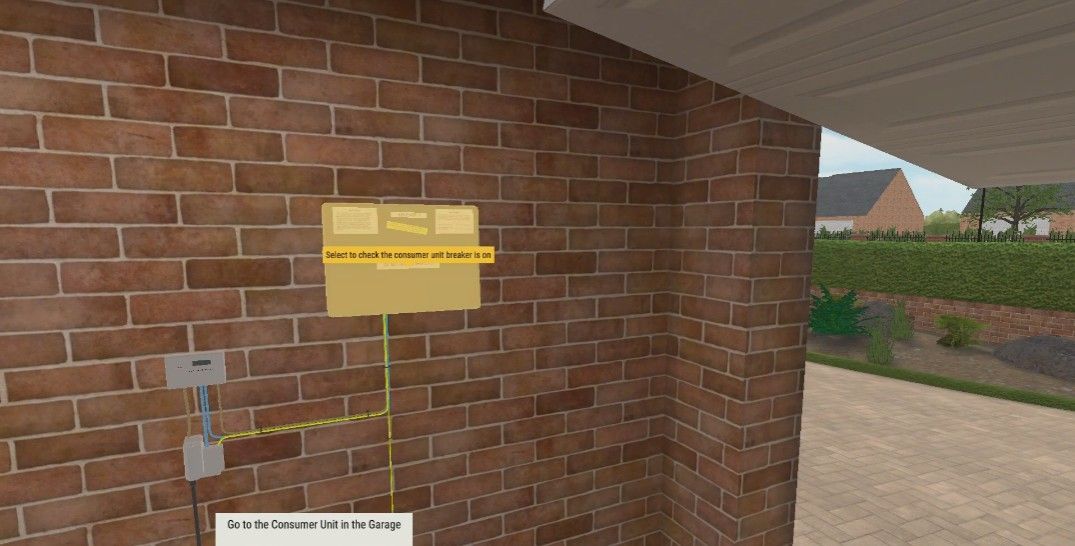
Investigate and resolve a fault in an immersion heater by inspecting system components, replacing damaged parts and confirming the repair through testing
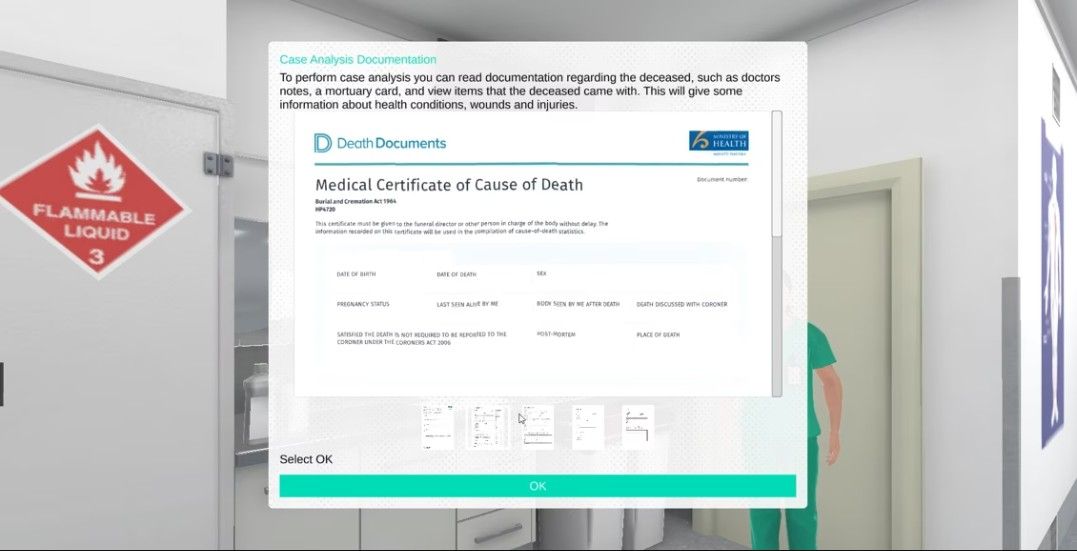
Prepare instruments and chemicals, identify arterial sites, surgically raise arteries and veins, and insert embalming and drainage equipment to complete an arterial embalming procedure while following hygiene and PPE requirements.
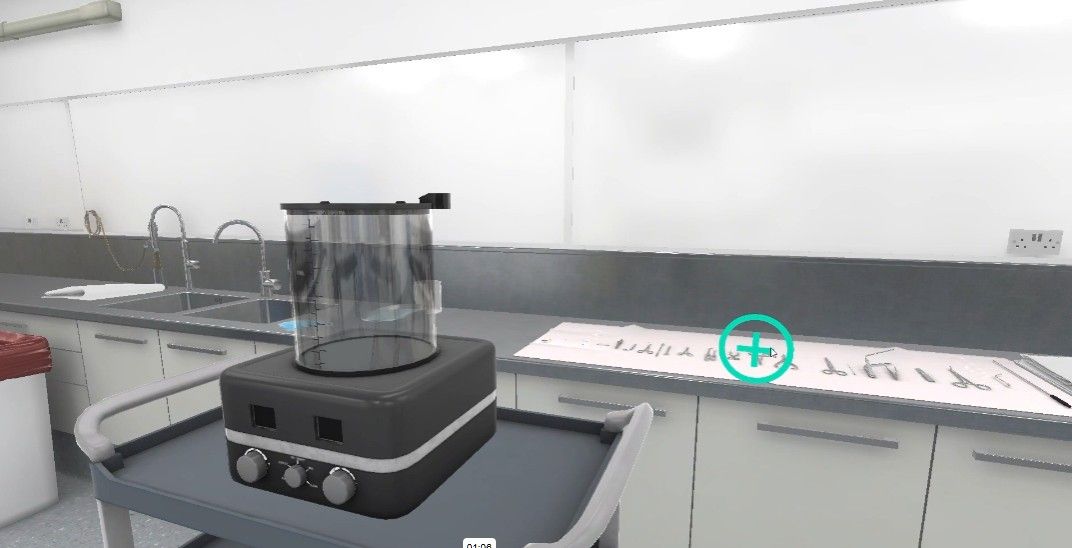
Practise the full arterial embalming process by preparing instruments and chemicals, identifying the most appropriate arterial and venous sites, surgically raising vessels and inserting embalming and drainage equipment while following hygiene and PPE requirements.
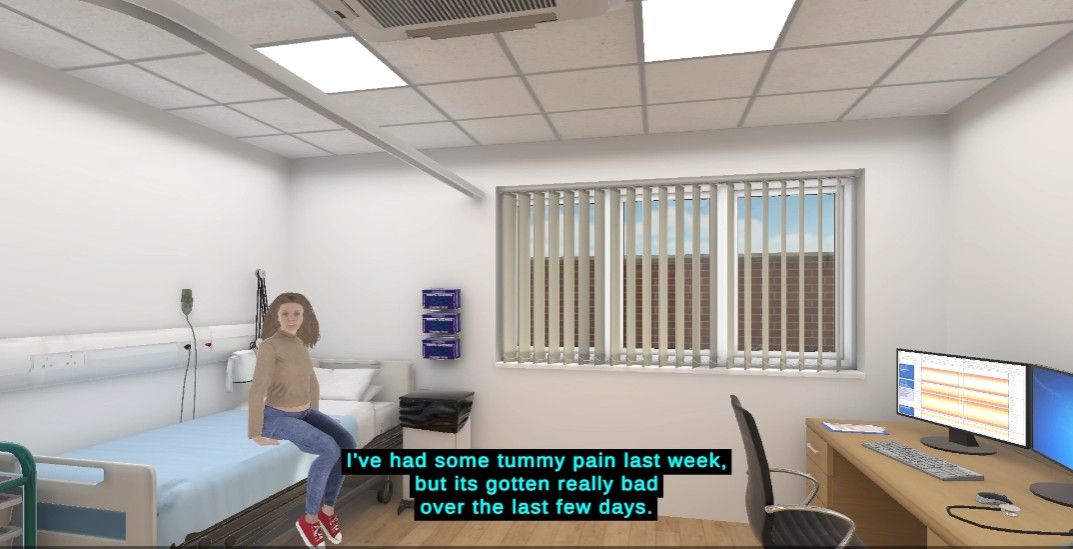
Assess a patient presenting with abdominal pain by completing a full set of observations, gathering a focused medical history and making an informed triage decision to determine the appropriate next steps for care.
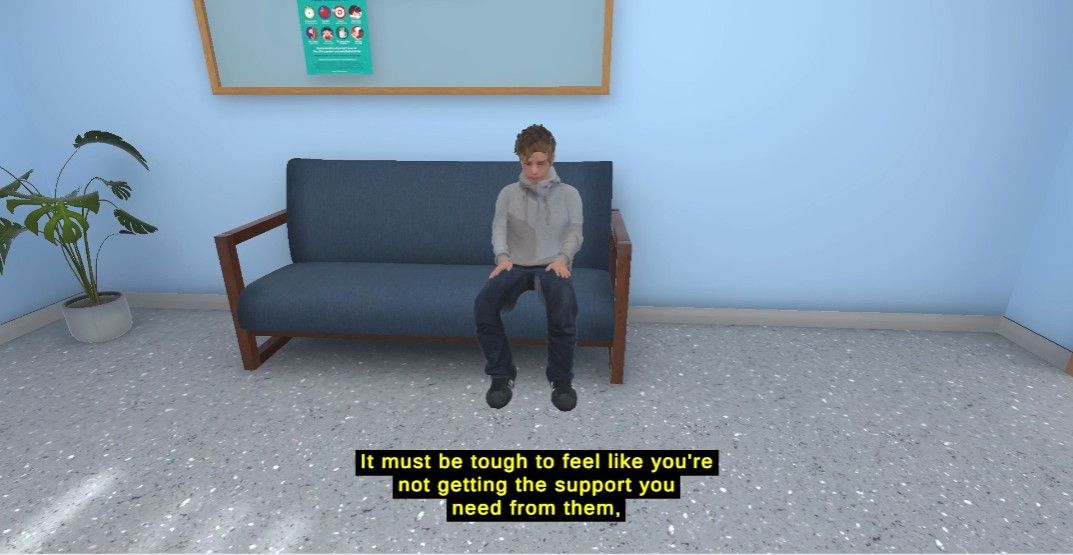
Support a young person experiencing an anxiety attack triggered by an ecological emergency by identifying the root cause, using appropriate anxiety‑management techniques and exploring constructive ways for the patient to engage in community or environmental action.
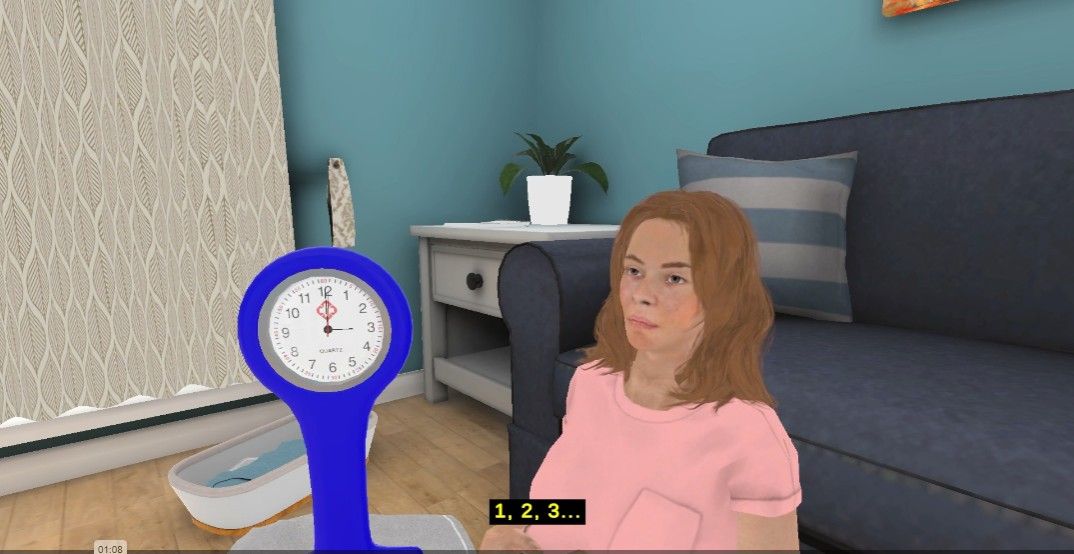
Attend a home birth, support the delivery of the baby and respond to signs of postpartum haemorrhage by recognising deterioration, monitoring vital signs and taking appropriate action to ensure the safety of both mother and baby.
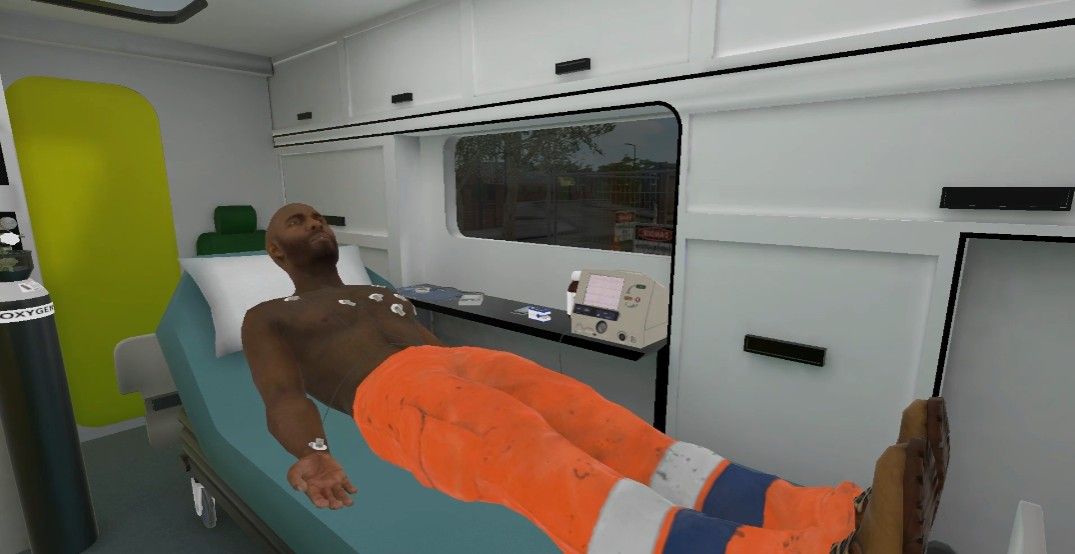
Assess a patient presenting with abdominal pain by completing a full set of observations, gathering a focused medical history and making an informed triage decision to determine the appropriate next steps for care.

Listen to explanations, instructions and narratives in the context of a job interview, identify key information and grammatical detail, and follow an interview discussion without actively participating.
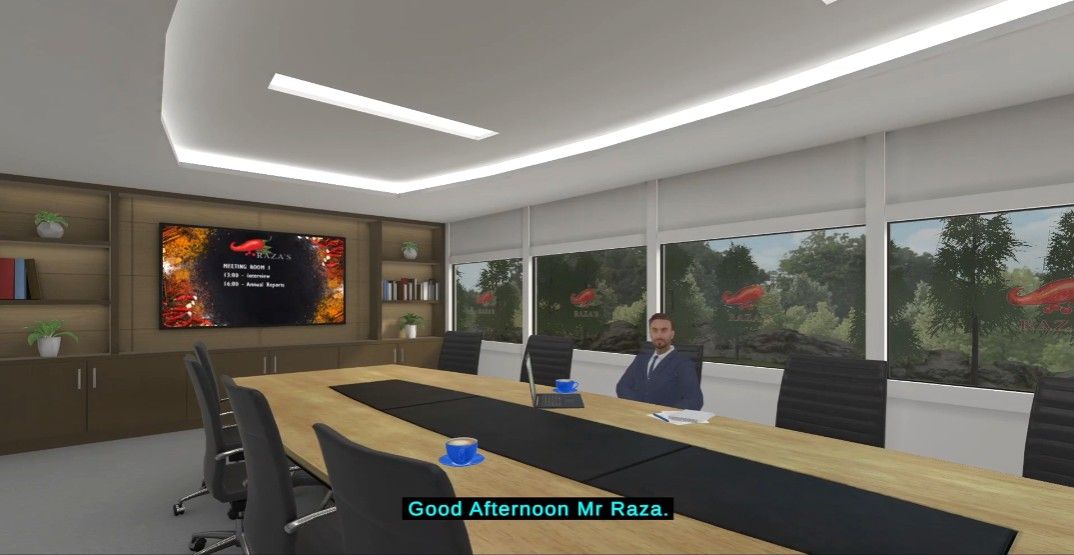
Listen to simple explanations and instructions in the context of a job interview, identify key information and follow the discussion while focusing on basic grammar and vocabulary.
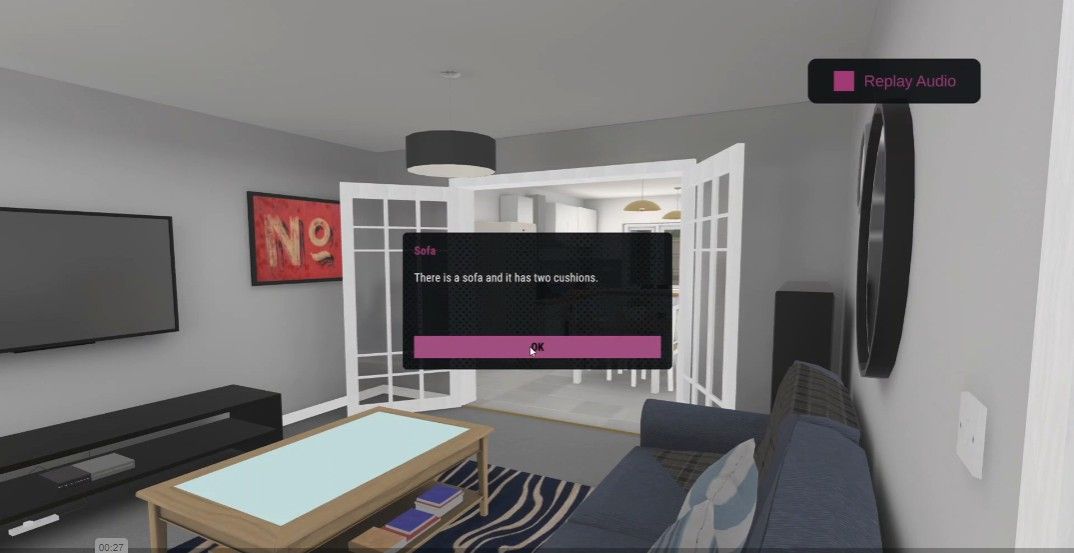
Explore a house and garden to learn vocabulary used to describe features of a home, listen and read carefully to identify objects and answer questions using correct nouns and descriptive language.
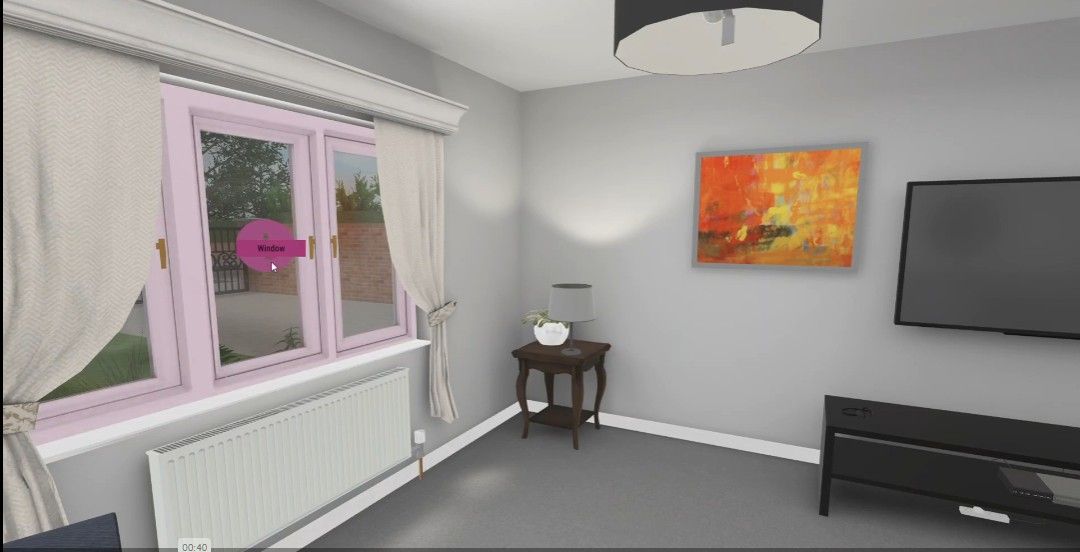
Describe features of a house and garden using adjectives and comparatives, listening and reading carefully to identify objects and answer questions using appropriate descriptive language.
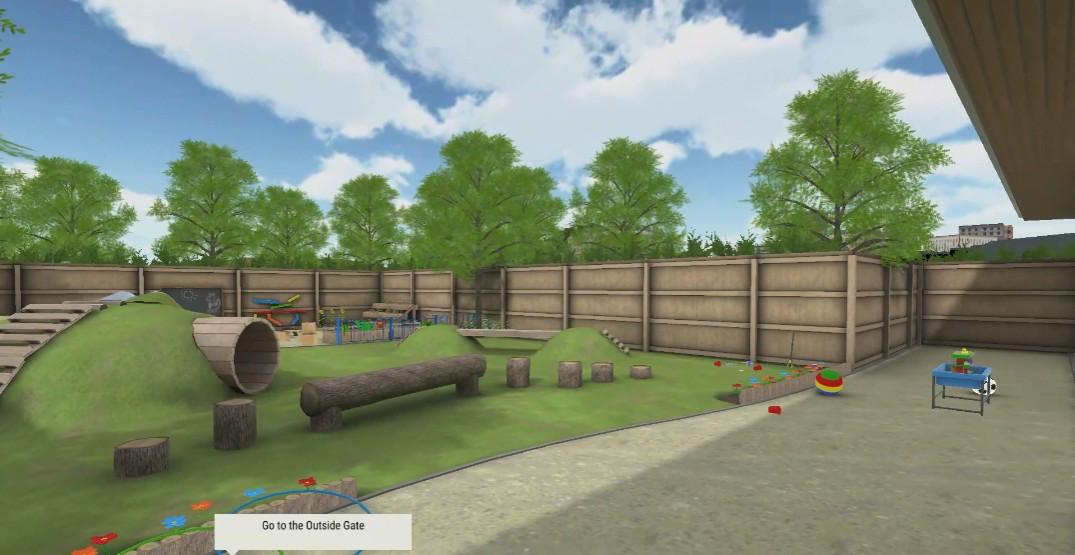
Identify UK countries, cities and landmarks, read a timetable for key information, interact with a ticket machine and follow a conversation while recognising specific language features.
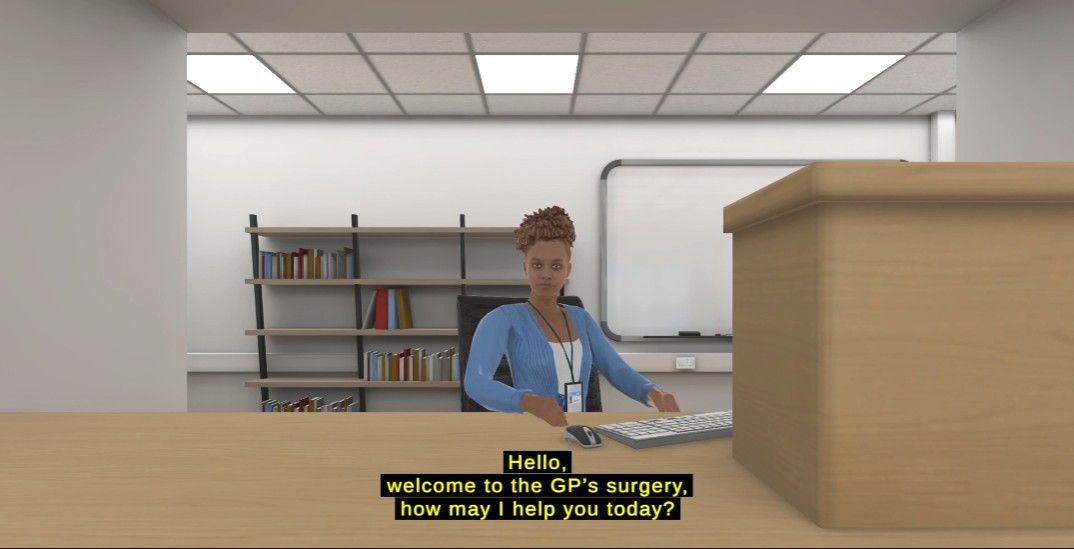
Engage with written information in a doctor’s surgery, reschedule an appointment, describe health concerns and listen to instructions about medication using appropriate vocabulary.

Engage with written information at a school event, take part in a conversation with teachers and practise listening, reading, grammar and vocabulary skills.
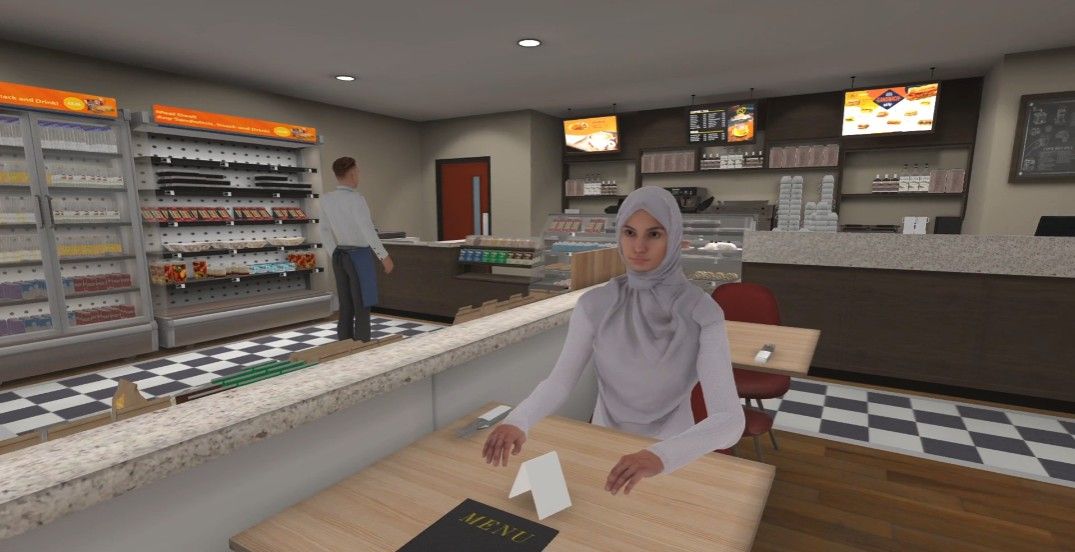
Navigate a café environment, identify common items, interact with staff and take part in a conversation to practise listening, reading, vocabulary and communication skills.
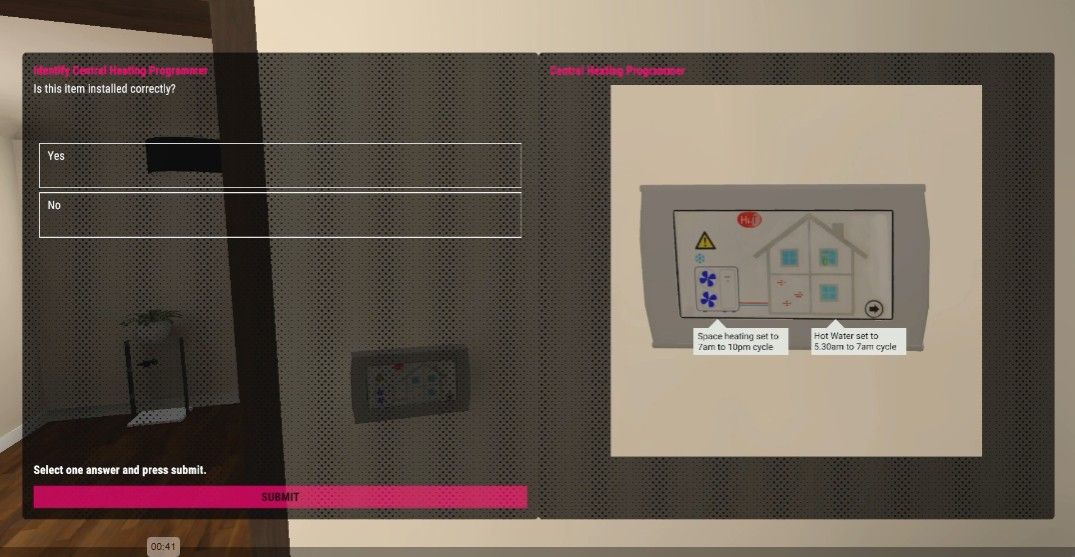
Carry out an inspection of an installed and commissioned air source heat pump system by reviewing documentation, checking heating and hot water controls, inspecting the distribution system and completing a customer handover.
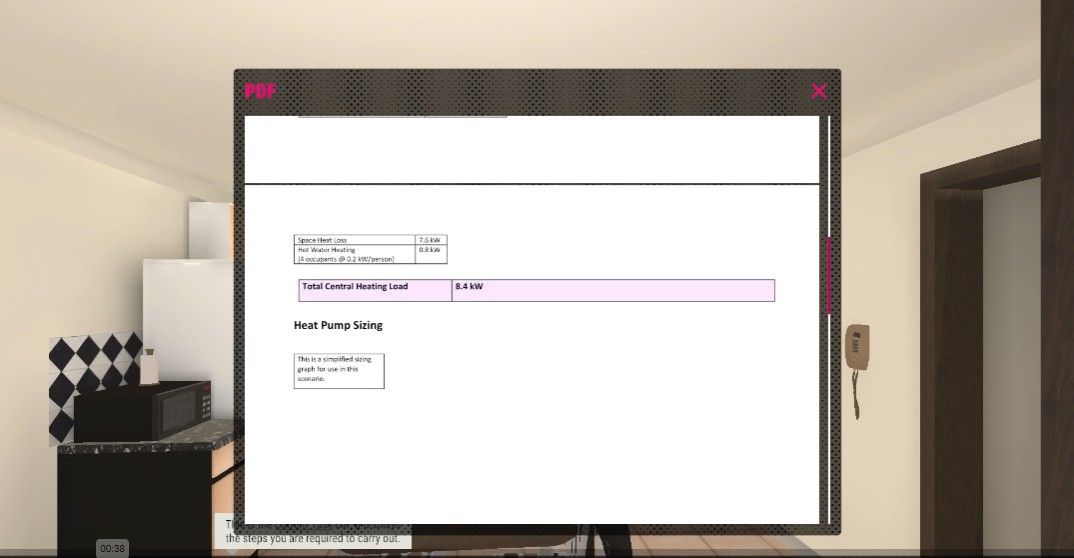
Carry out an inspection of a ground source heat pump system during installation by reviewing system components, checking controls and distribution systems and ensuring the installation meets design requirements.
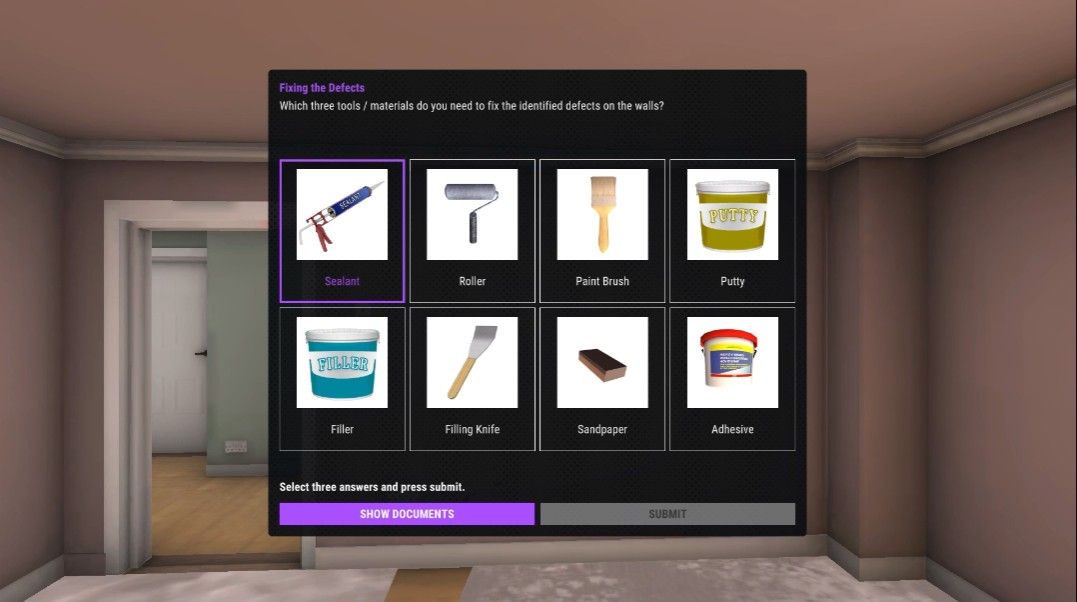
Carry out a decorating task by preparing surfaces, applying paint to multiple walls and creating a feature wall using wallpaper, using correct tools, PPE and materials throughout.
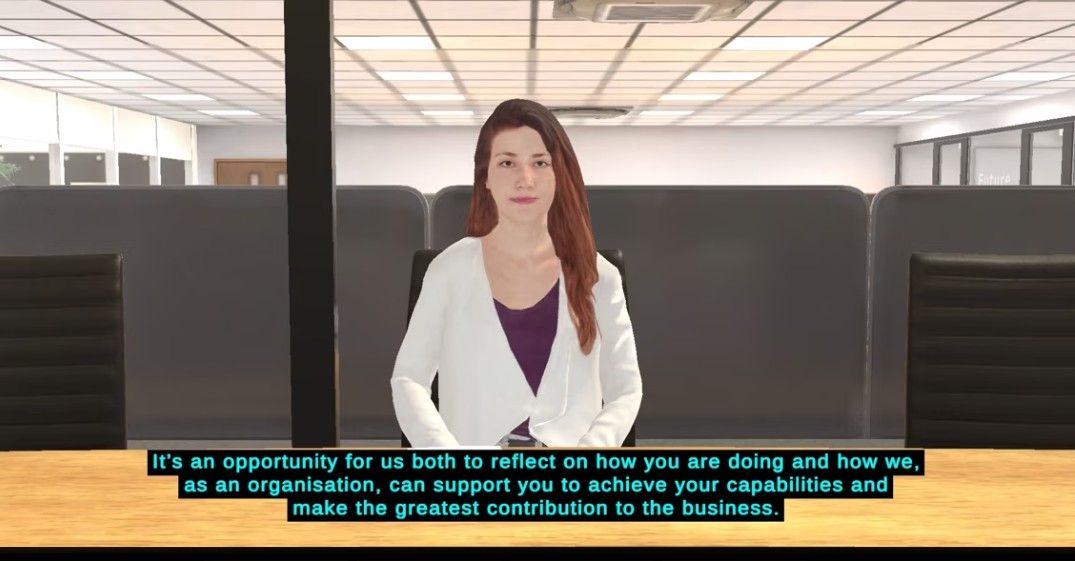
Carry out a performance review by discussing concerns about underperformance, providing clear and constructive feedback, and facilitating a two way conversation using effective performance management techniques.
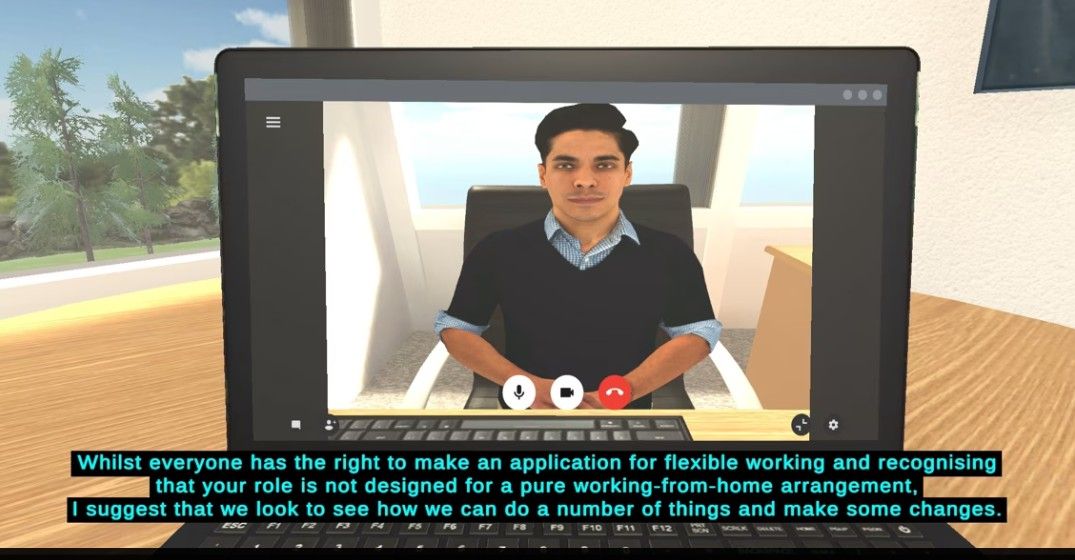
Carry out a performance review by addressing concerns about workplace attendance, team involvement and communication, providing constructive feedback and facilitating a productive two way discussion.
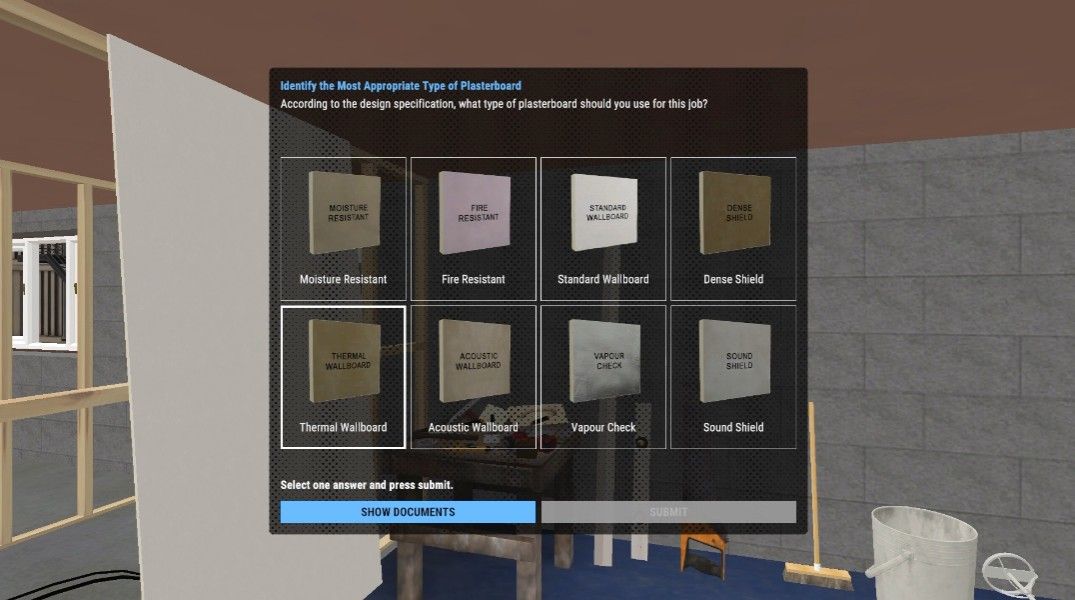
Carry out a plastering task by preparing surfaces, cutting and fixing plasterboard, applying an undercoat and finishing coat, and completing all work using correct tools, PPE and materials.
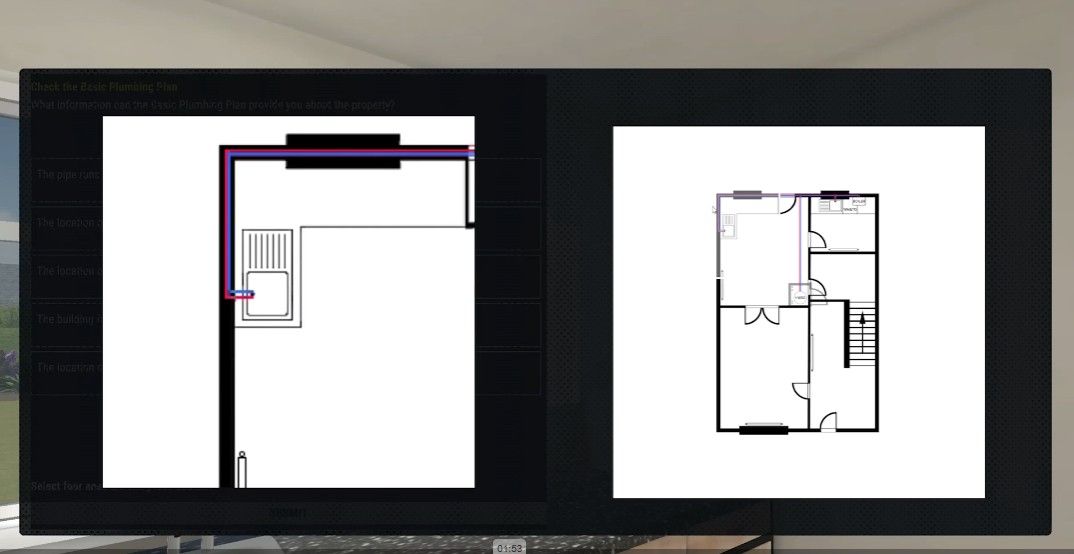
Carry out a pipework planning task by inspecting the property, identifying existing services, determining installation requirements and completing the design phase for a new downstairs cloakroom.
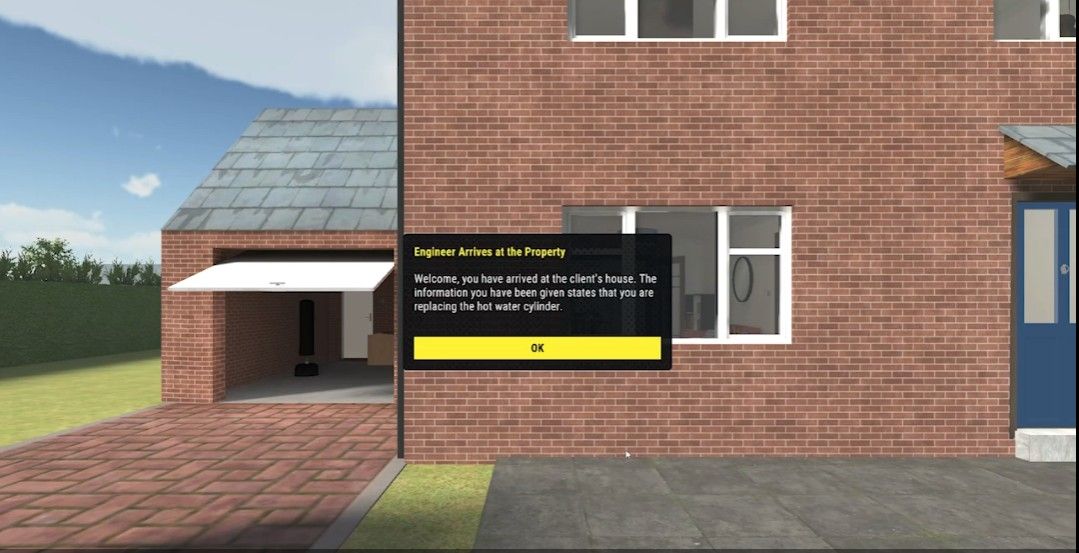
Complete a hot water installation task by carrying out pre‑installation checks, isolating services, removing the old cylinder, installing a new unvented unit and commissioning the system.
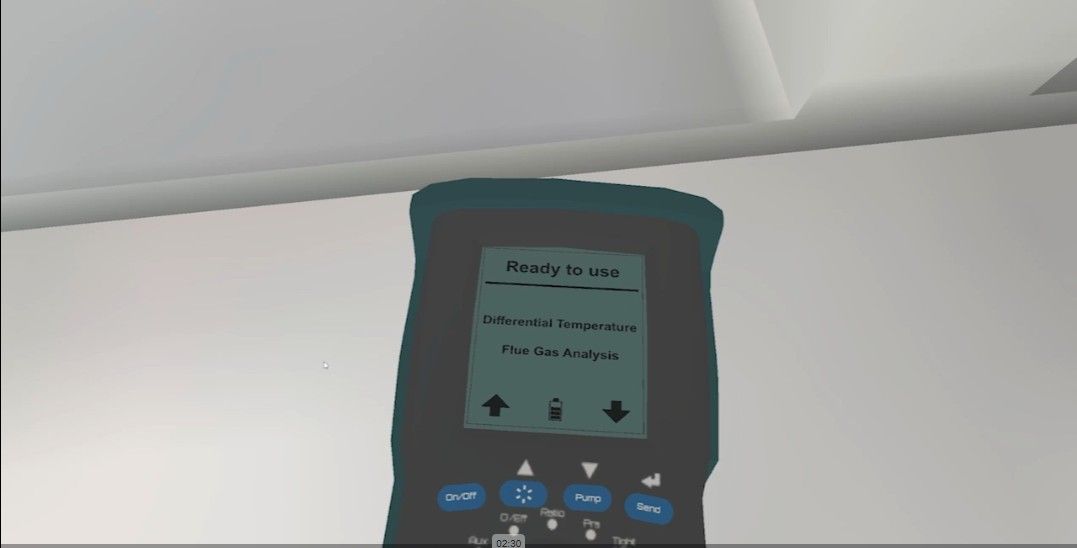
Carry out a boiler commissioning task by inspecting the installation, performing live checks, completing heating and hot water tests and finalising the Benchmark documentation.
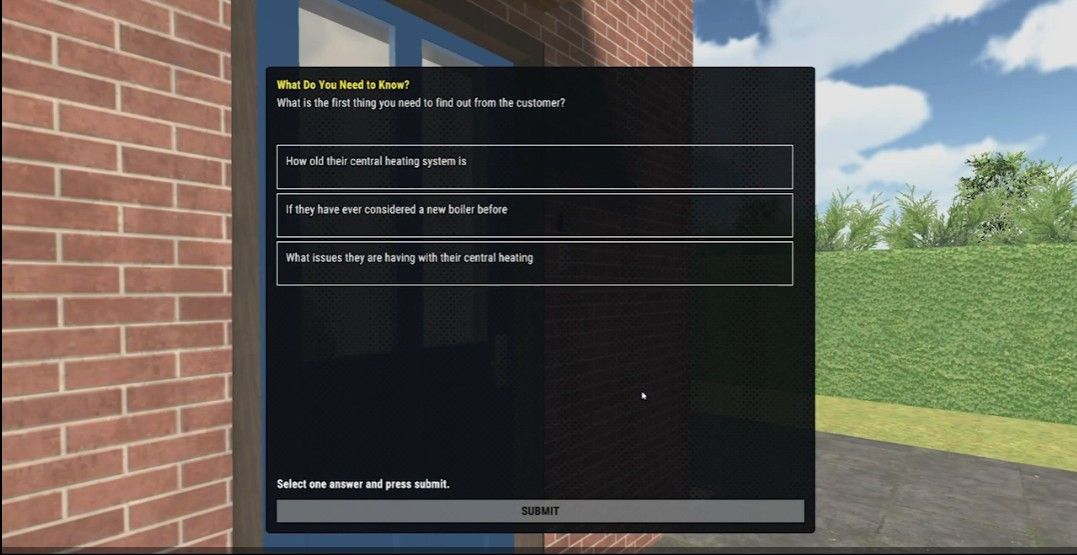
Carry out a heating system diagnostic task by inspecting the property, identifying the cause of heating failure, removing the faulty pump and installing a replacement unit.
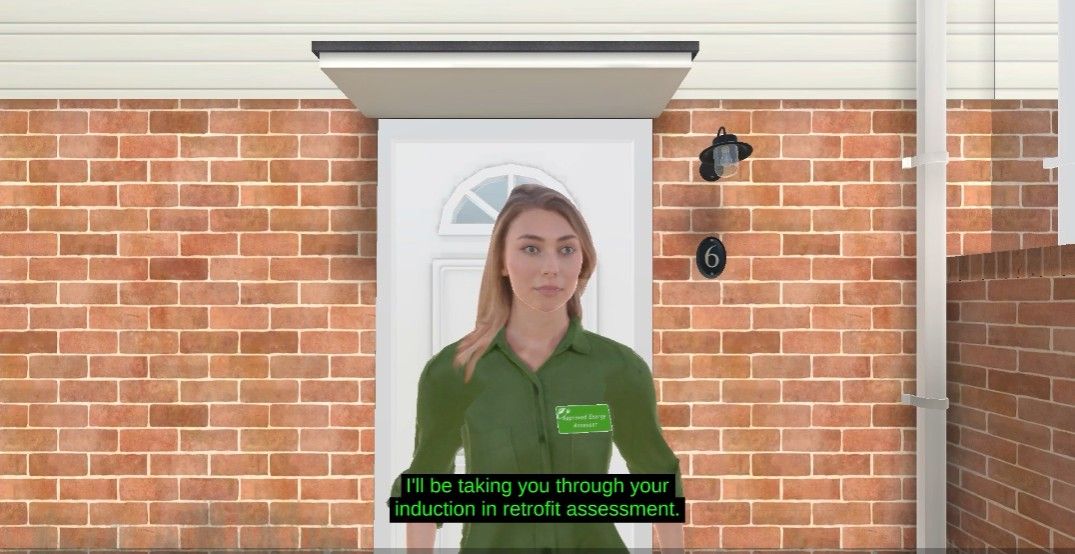
Complete an introductory retrofit task by exploring a domestic property, reviewing health and safety requirements, and stepping through the PAS 2035 assessment process to identify opportunities for energy‑efficiency improvements.
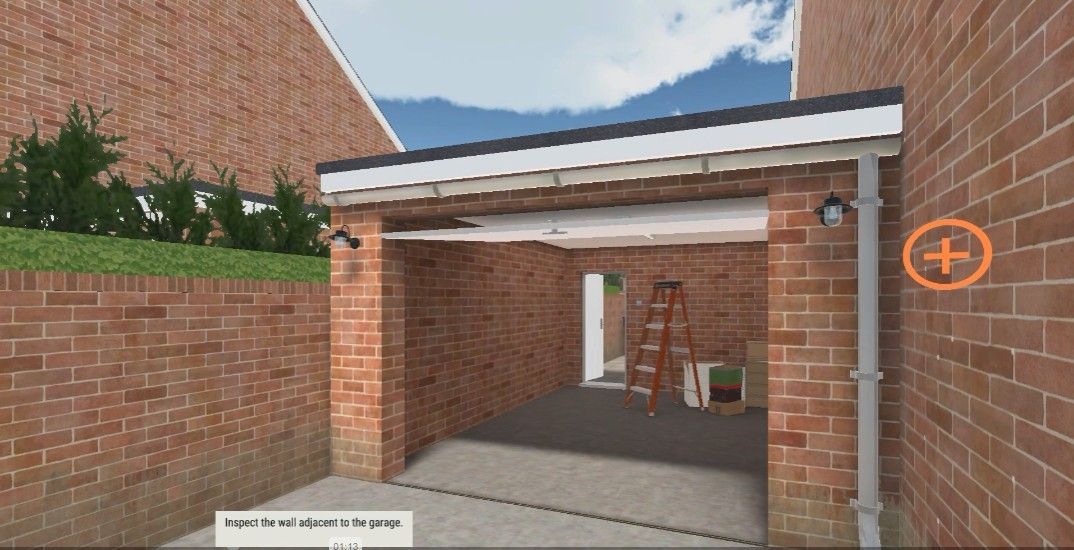
Carry out a retrofit assessment by inspecting the internal and external condition of a domestic property, reviewing ventilation and occupancy factors, and identifying opportunities to improve overall energy efficiency.
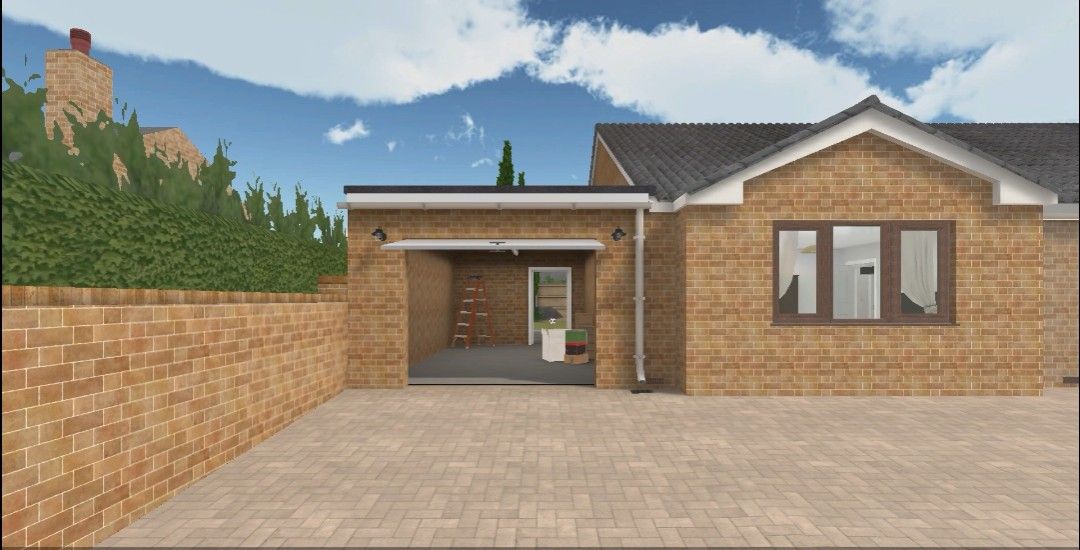
Complete a retrofit design task by defining installation requirements, explaining new features to the customer, and updating the Energy Performance Report with the planned improvements.
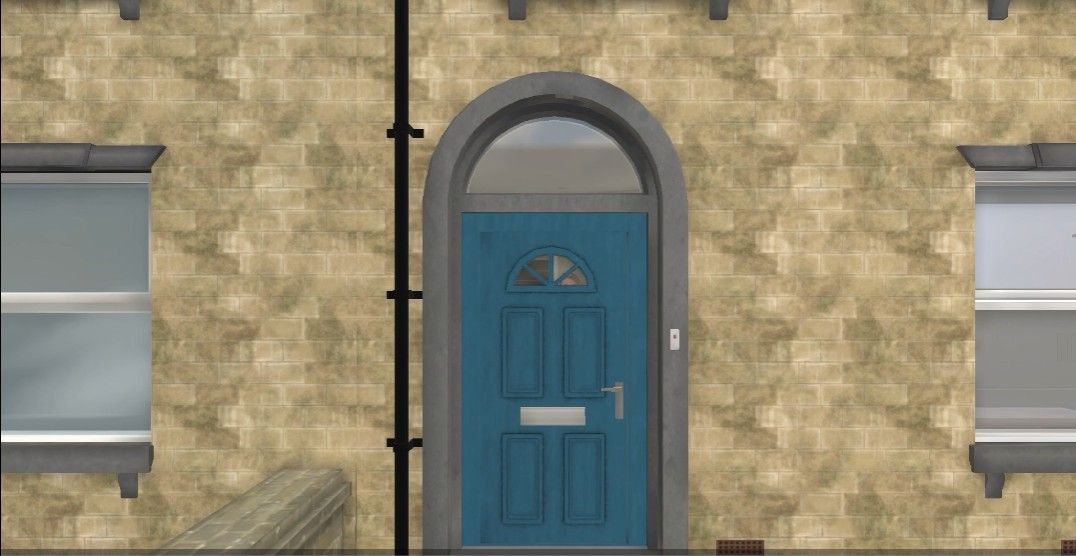
Carry out a retrofit design task by defining installation requirements for a terraced property, explaining new features to the customer, and updating the Energy Performance Report with the planned improvements.
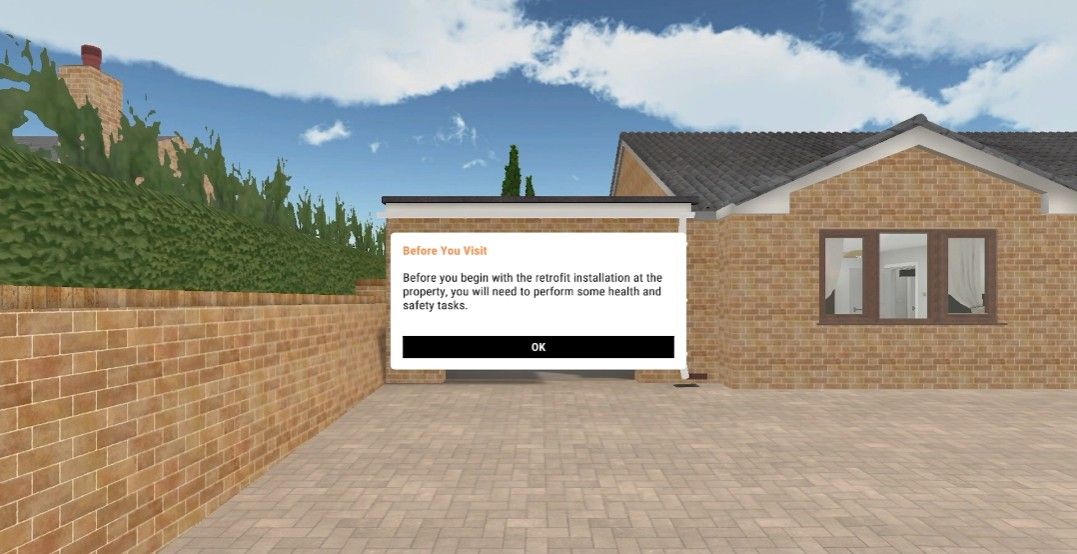
Carry out a retrofit installation task by preparing for fabric measures, installing insulation and upgraded components, and completing a customer handover for safe operation and maintenance.
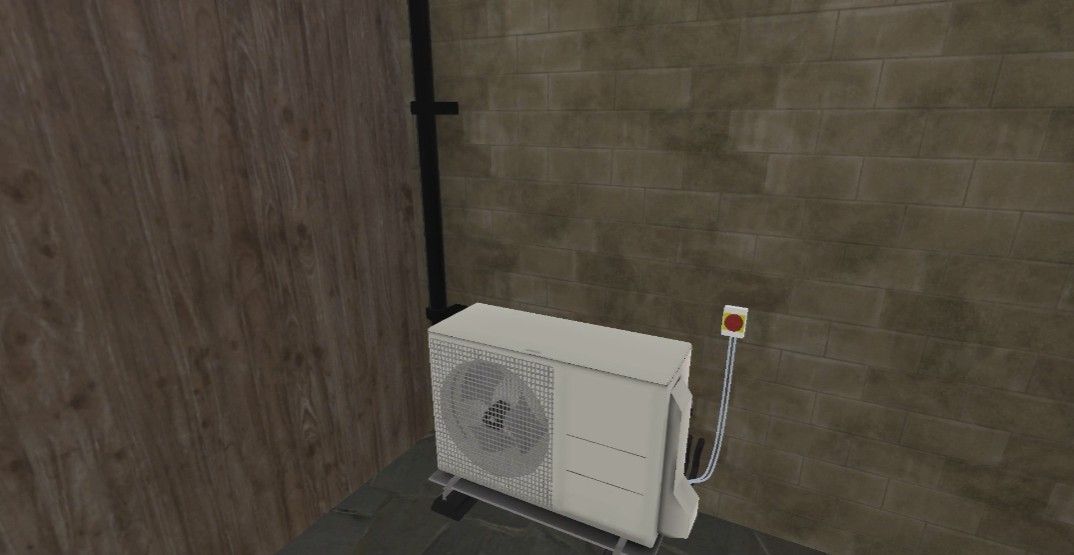
Complete a building services installation task by preparing the property, installing MVHR, air‑source heat pump and solar PV systems, and completing a customer handover for safe operation and maintenance.
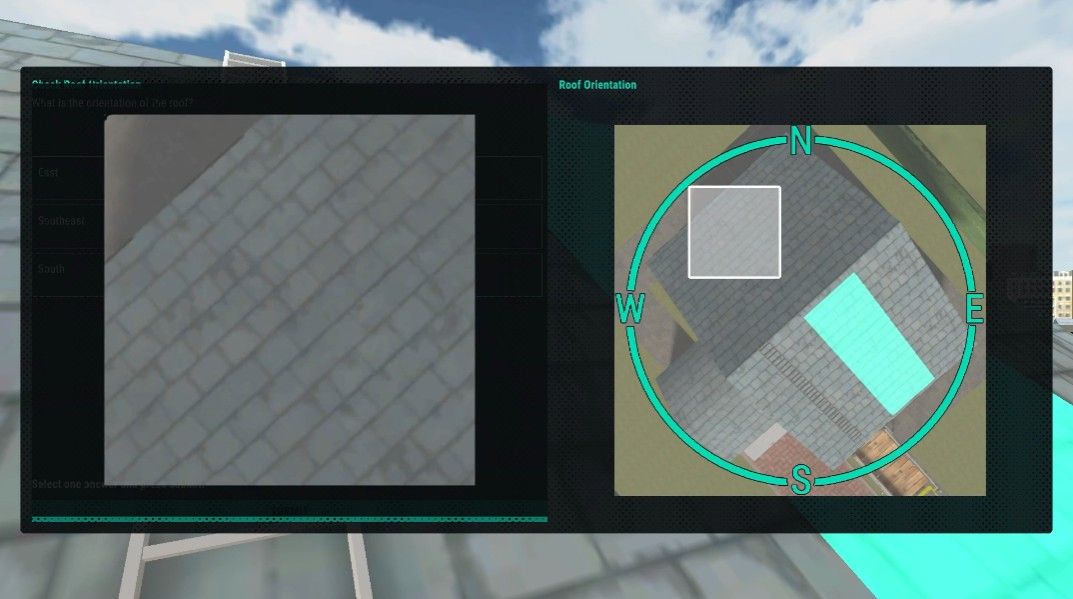
Carry out a residential solar PV design task by gathering customer information, inspecting the roof and electrical infrastructure, reviewing documentation and determining system requirements for a safe and compliant installation.
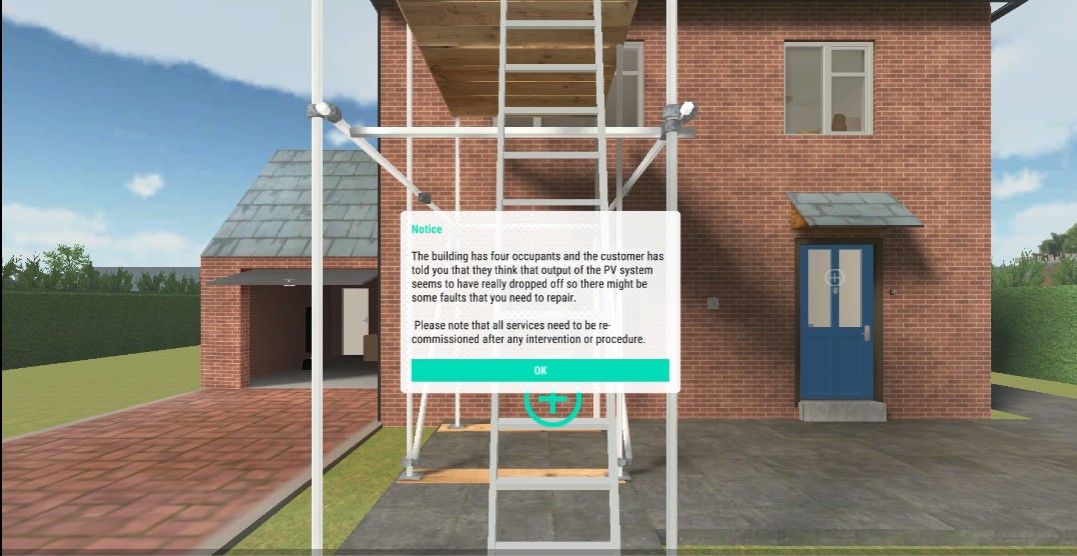
Perform an annual solar PV maintenance task by inspecting modules, wiring, isolators, inverters and mounting systems to verify safe operation, identify faults and ensure ongoing system performance.
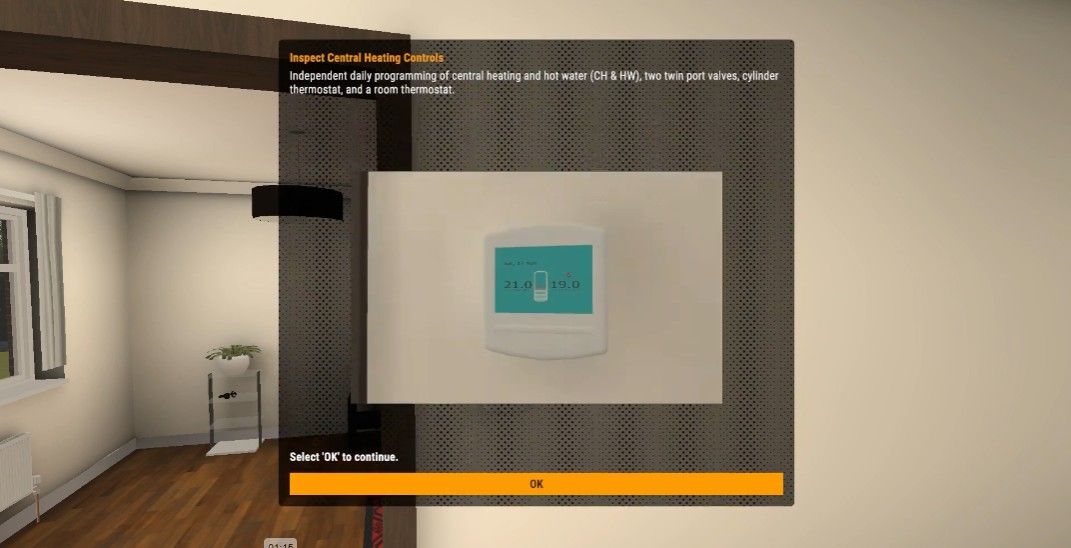
Complete a solar thermal system specification task by inspecting the roof, water storage components, heating controls and boiler to determine the requirements for a safe and efficient hot water installation.
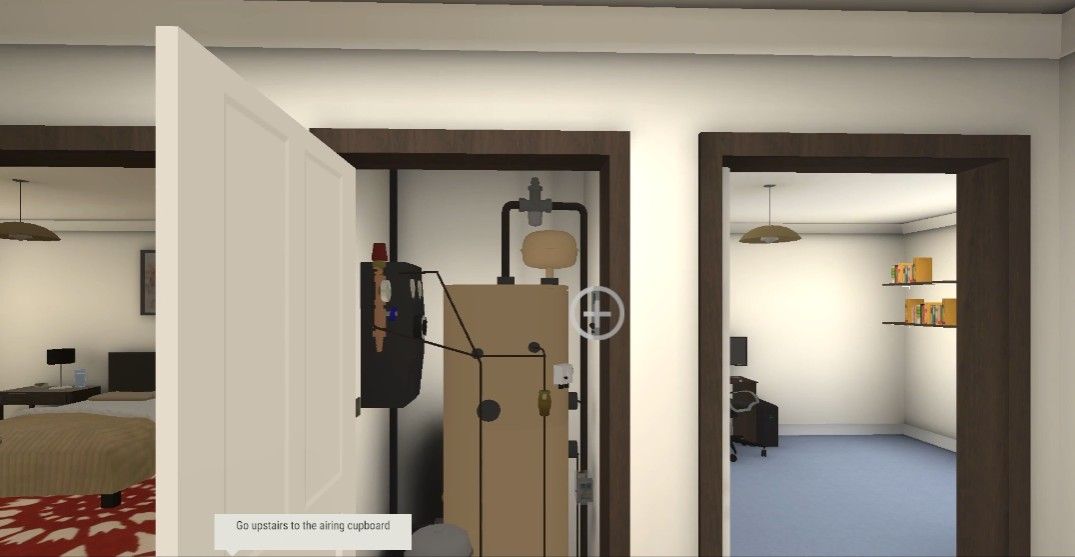
Carry out a solar thermal fault‑finding task by checking sensors, controllers, blending valves, pump stations and system pressures to diagnose issues and restore safe hot water system operation.
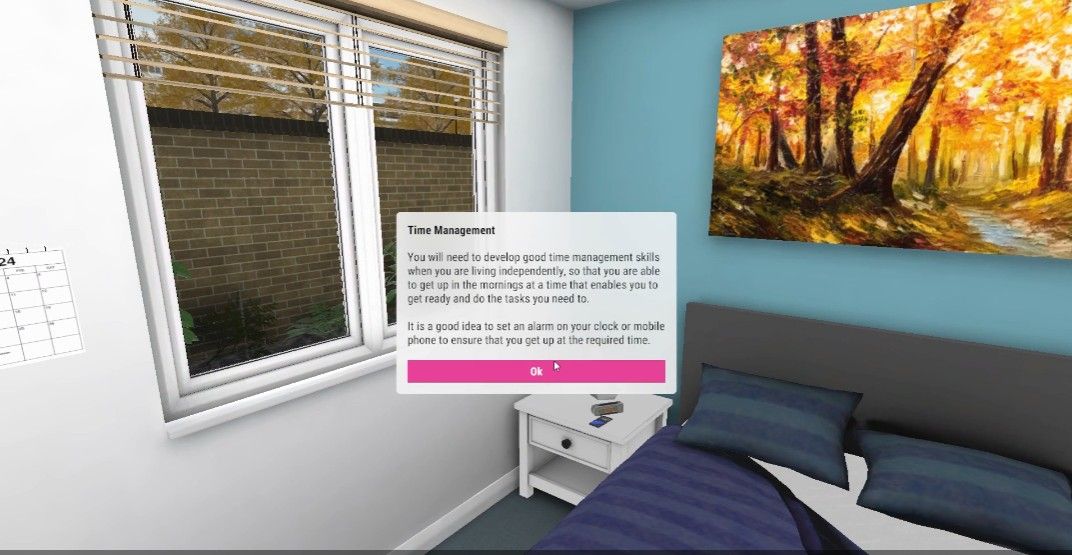
Carry out an independent living task by planning a morning routine, preparing meals, completing household tasks and organising yourself before leaving the house.
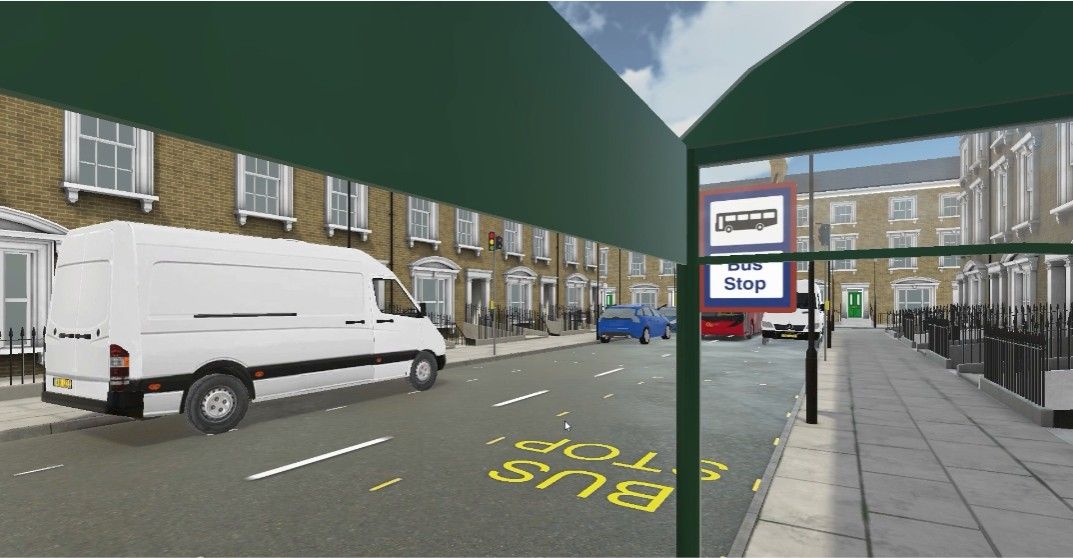
Complete a travel task by planning a bus journey, navigating safely to the bus stop, interacting with the driver and passengers, and travelling to your destination.
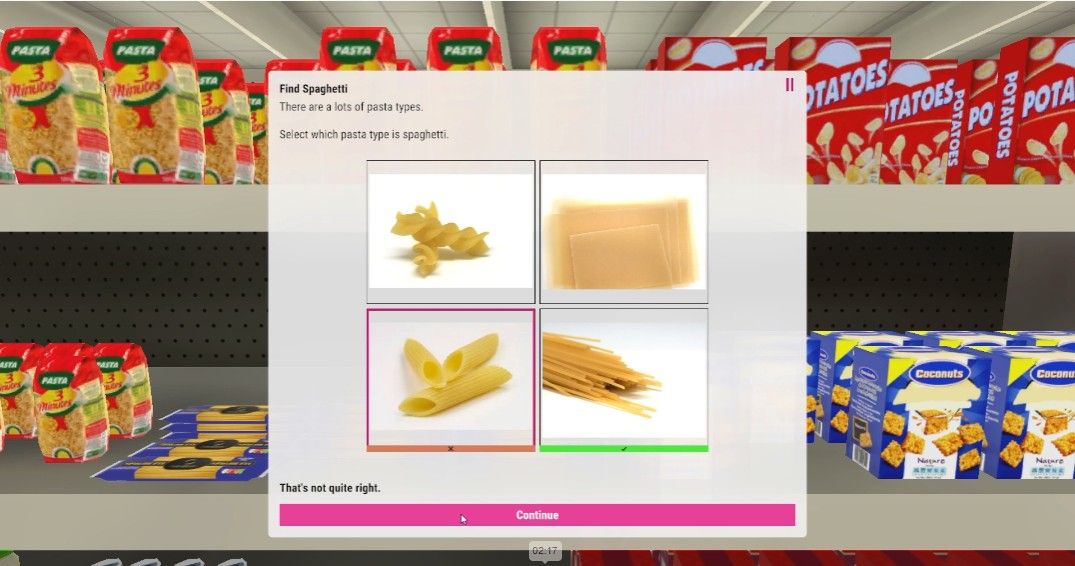
Carry out a shopping task by creating a list from a recipe, preparing for your trip, selecting items in the supermarket, comparing options and completing a purchase using cash.
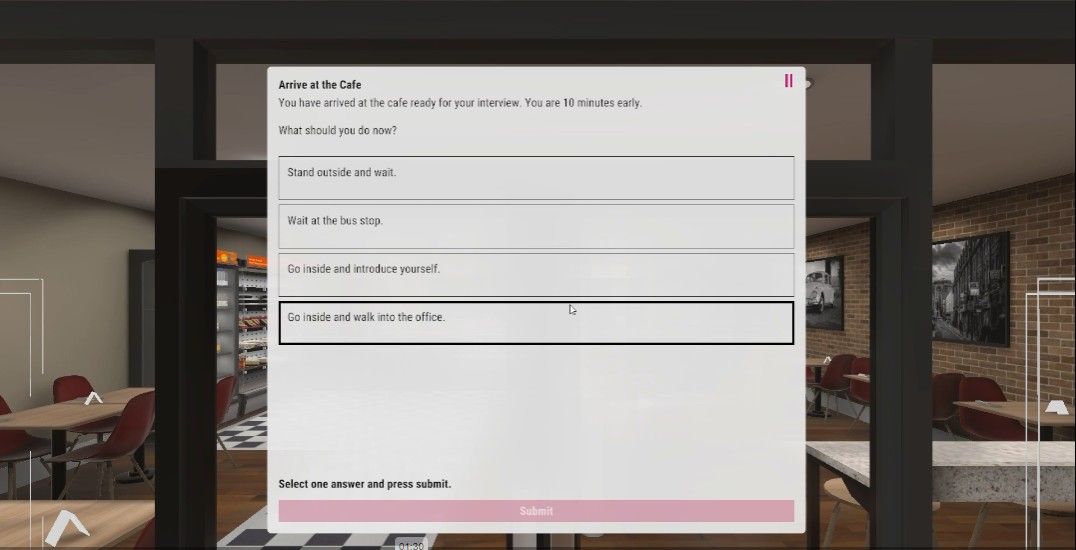
Complete an employability task by preparing for a job interview, choosing appropriate clothing, planning your journey and demonstrating effective communication in a professional environment.
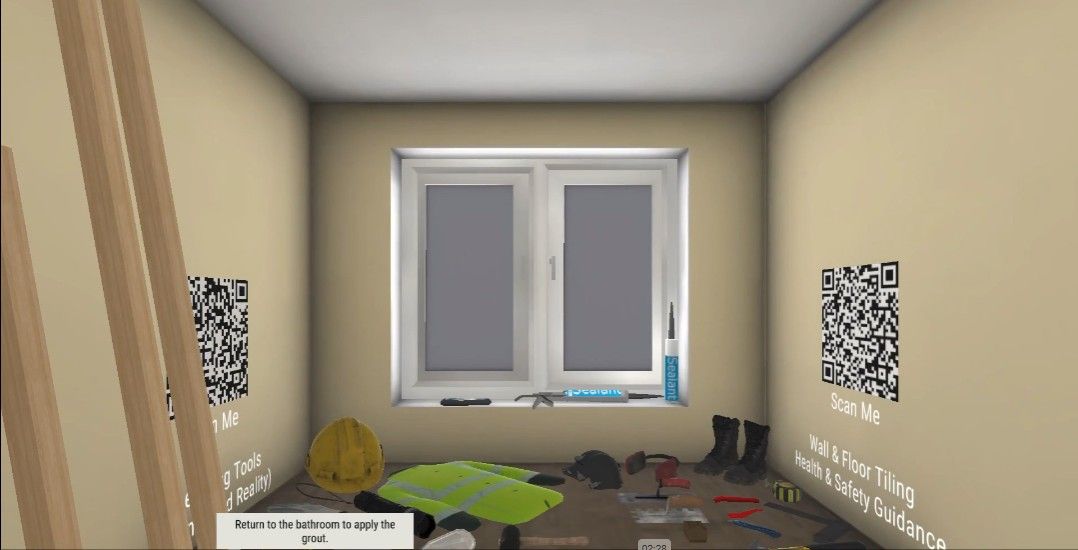
Construct to damp-proof course level by preparing materials, setting out corners and laying tiles with safe, accurate technique.
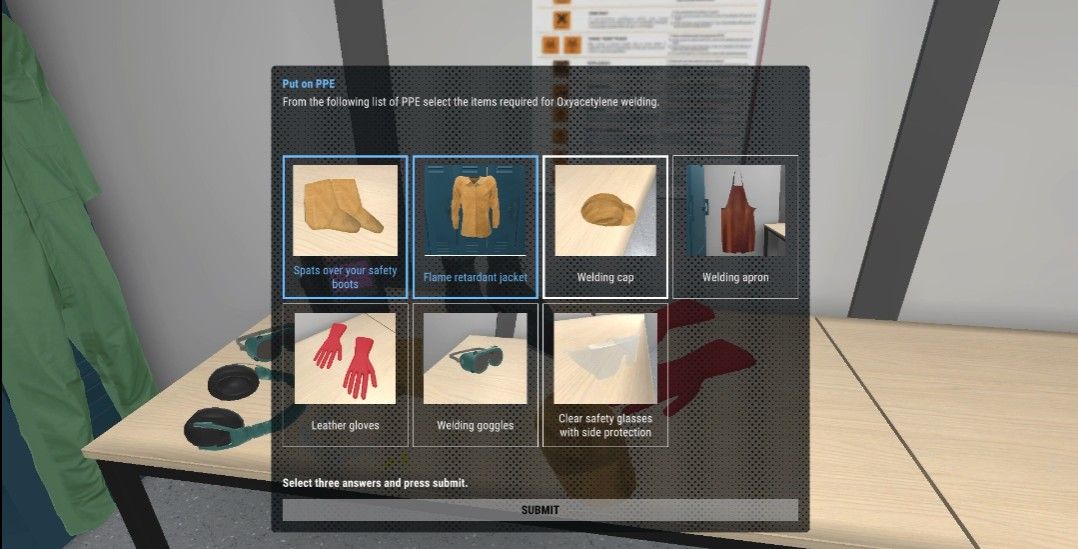
Design and assemble an oxyacetylene project by applying safe welding techniques, accurate measurements and efficient layout planning
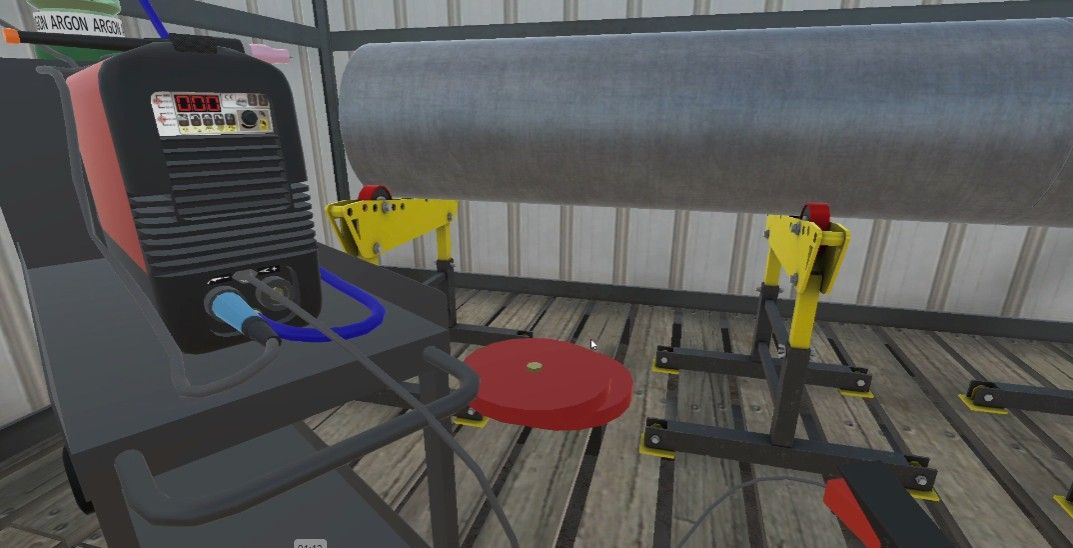
Carry out a TIG welding task by preparing the workspace, selecting appropriate gas and applying precise welding techniques with safe equipment setup and inspection.
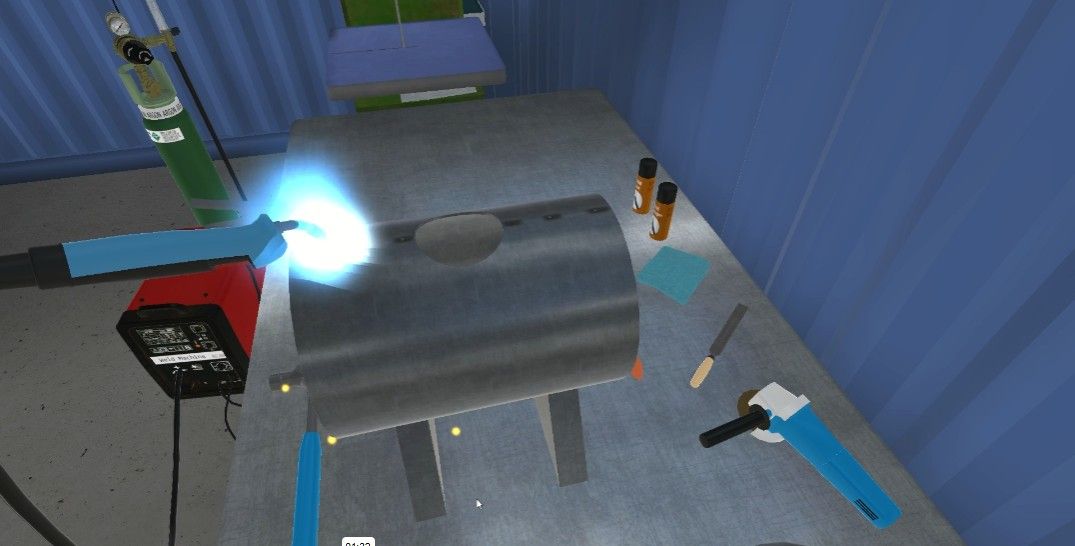
Inspect and test a MAGS weld by preparing materials, applying correct techniques and performing visual and mechanical assessments including dye penetrant, nick break and bend tests.
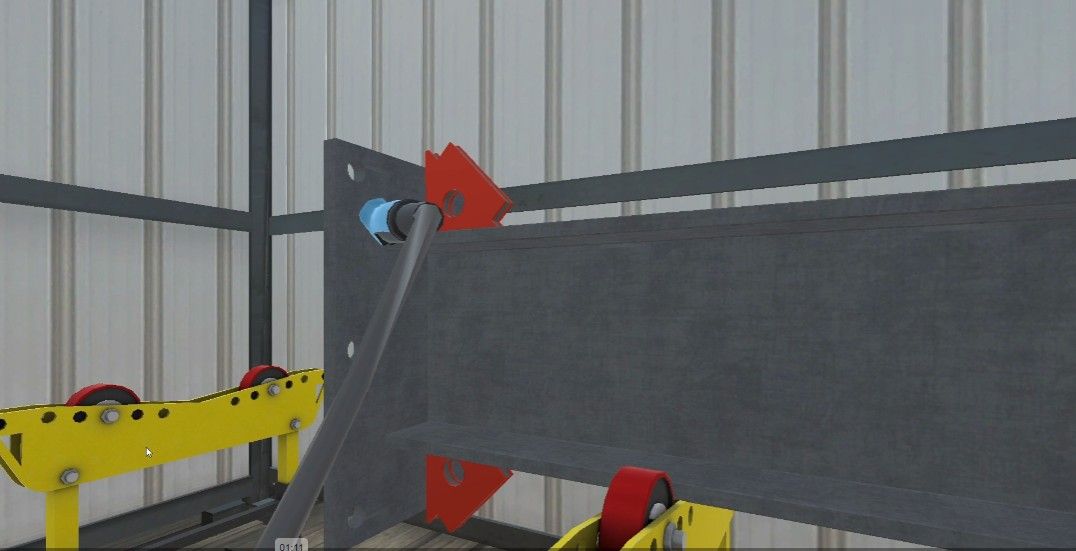
Complete a MAGS and flux cored arc welding task by preparing the workspace, setting up equipment, and applying safe, accurate welding techniques with procedural stop/start points and final inspection
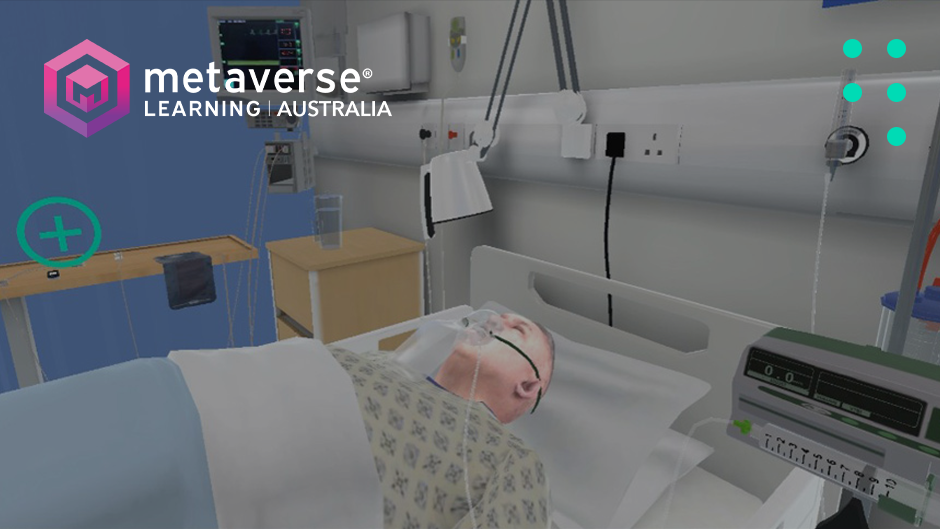
Urgent airway support and glucose management following a hypoglycaemic seizure in a post-op diabetic patient.
Evaluation of an elderly patient with abdominal symptoms, confusion and potential circulatory compromise.
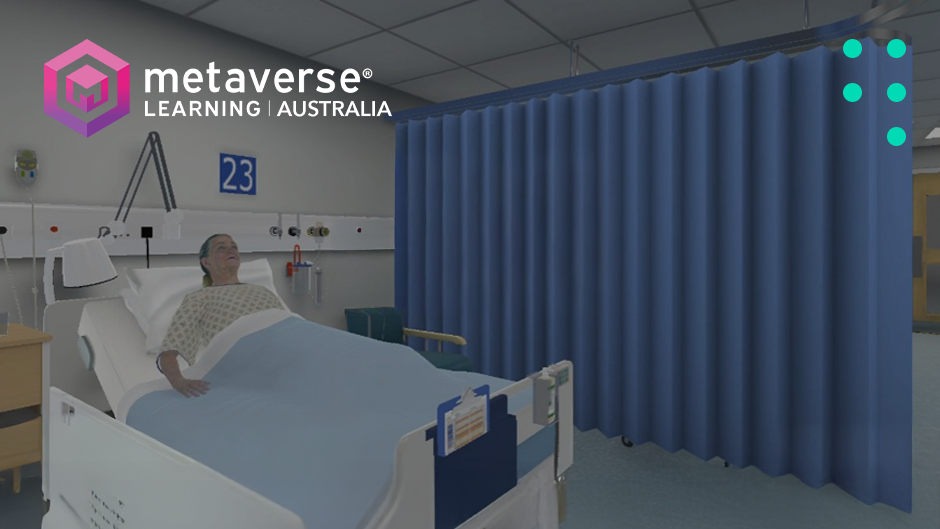
ABCDE assessment of a post-stroke patient presenting with respiratory distress and fever.
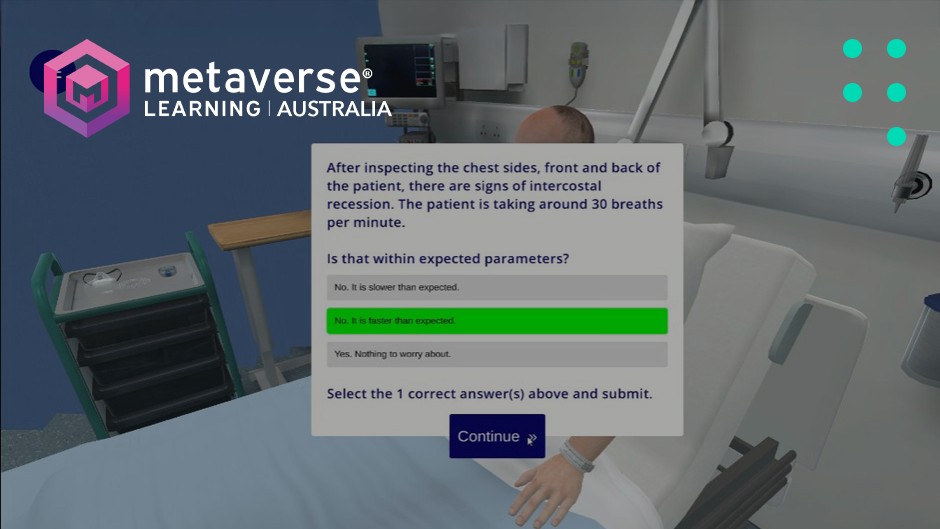
Systematic assessment and isolation of a patient with suspected COVID-19 to ensure ward safety and infection control.
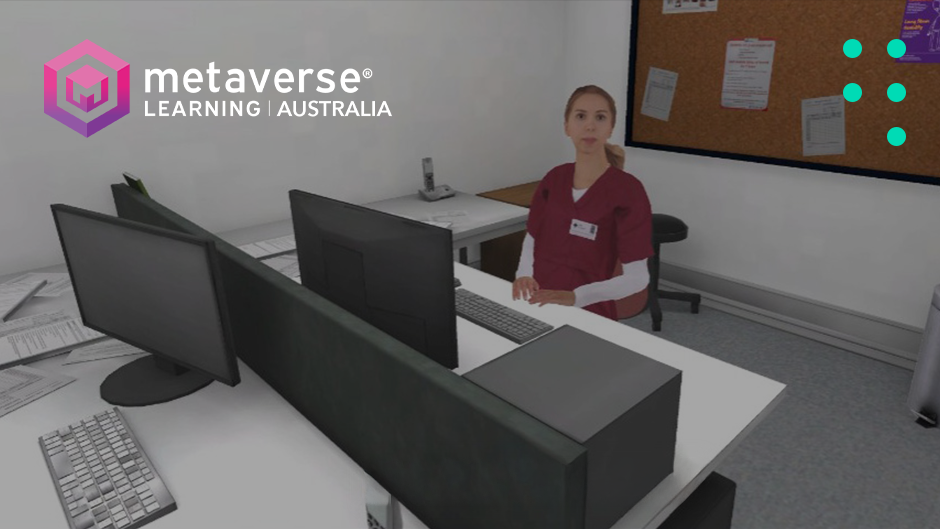
Deliver compassionate palliative care to a bedridden elderly patient nearing the end of life in a care home.
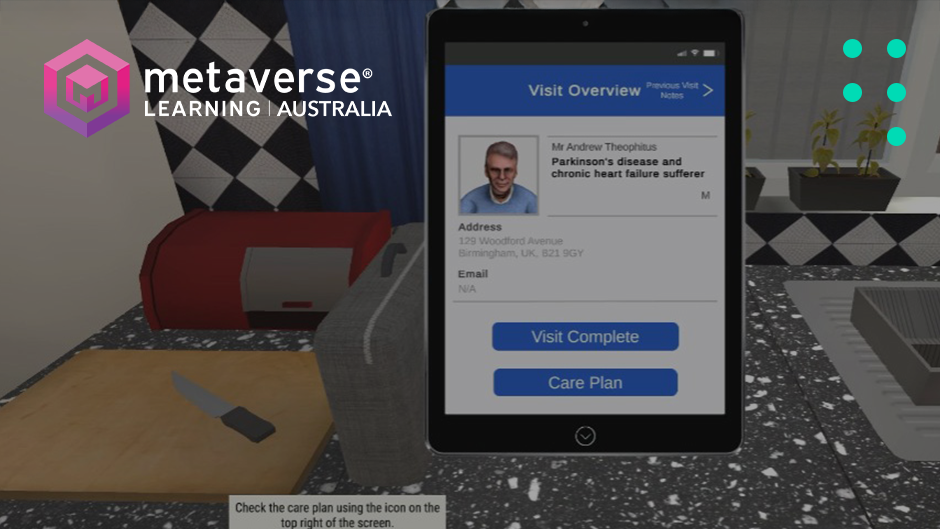
Provide routine care and mobility assistance to an elderly client using a zimmer frame in a residential home.
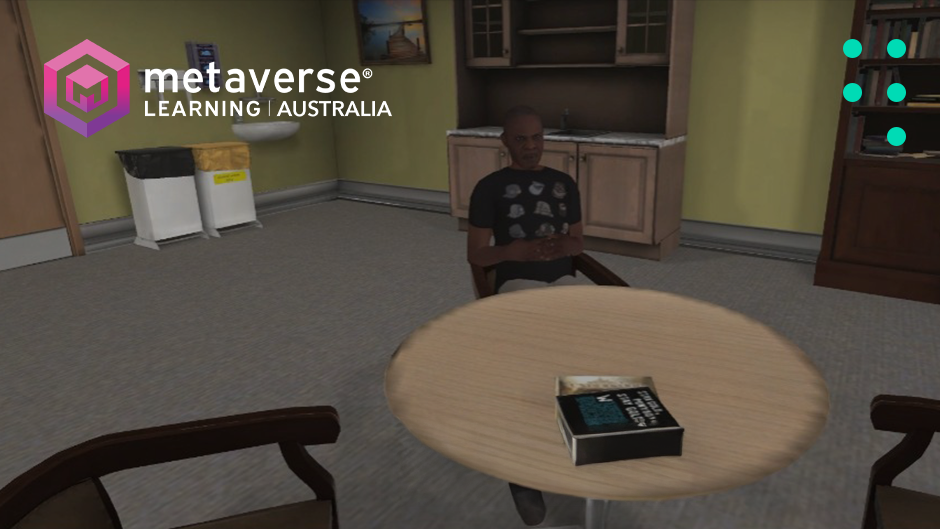
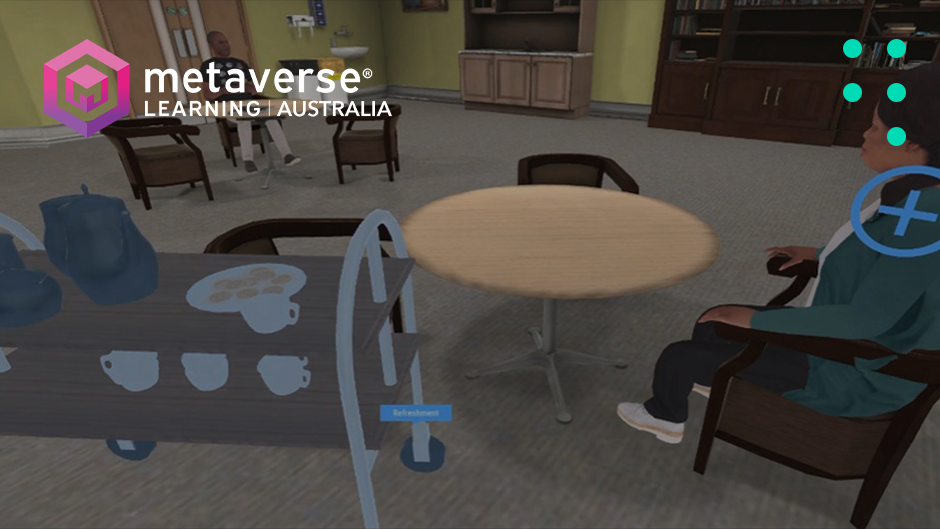
Respond to and de-escalate a conflict between two aged care residents while ensuring their comfort and safety.
Assist an elderly client with Alzheimer's disease in preparing for the day within a care home environment.
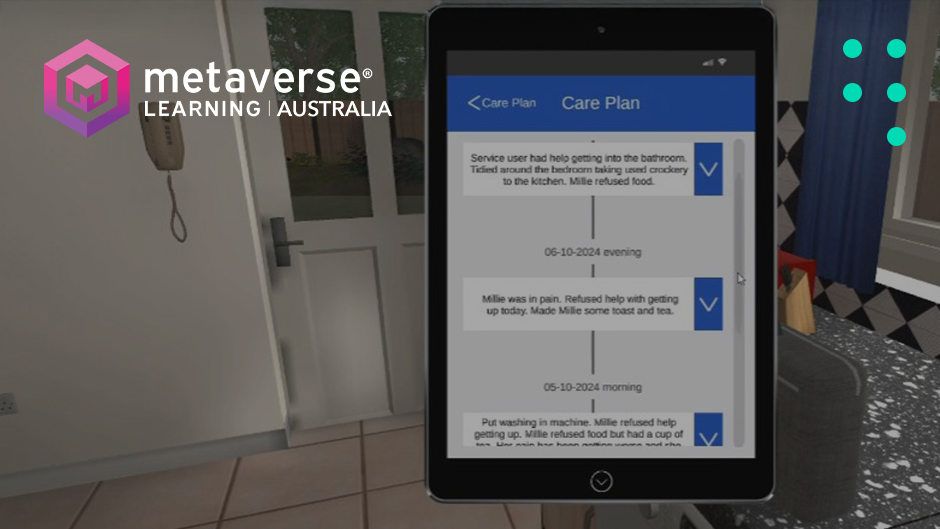
Conduct a home visit to follow up on concerns raised during the routine home visit for MS support to a client with multiple sclerosis.
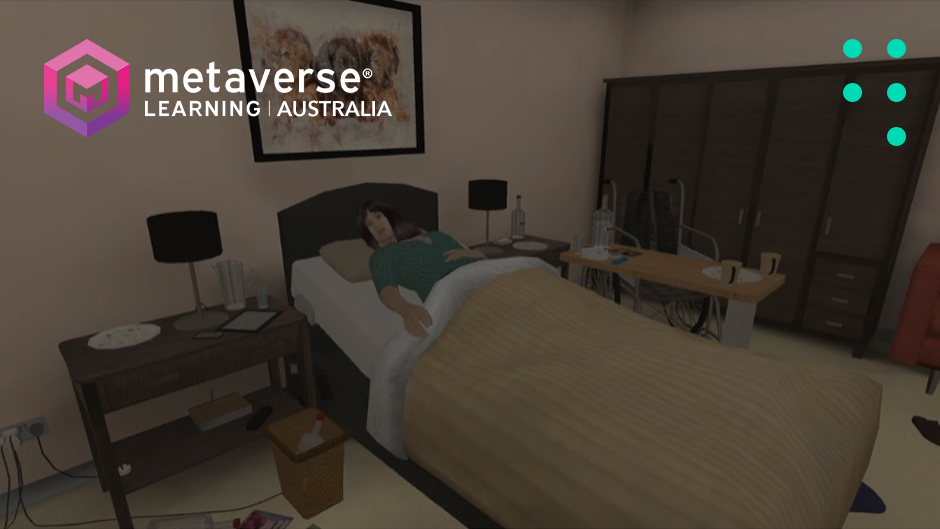
Support a client with multiple sclerosis during a domiciliary care visit in a residential home.
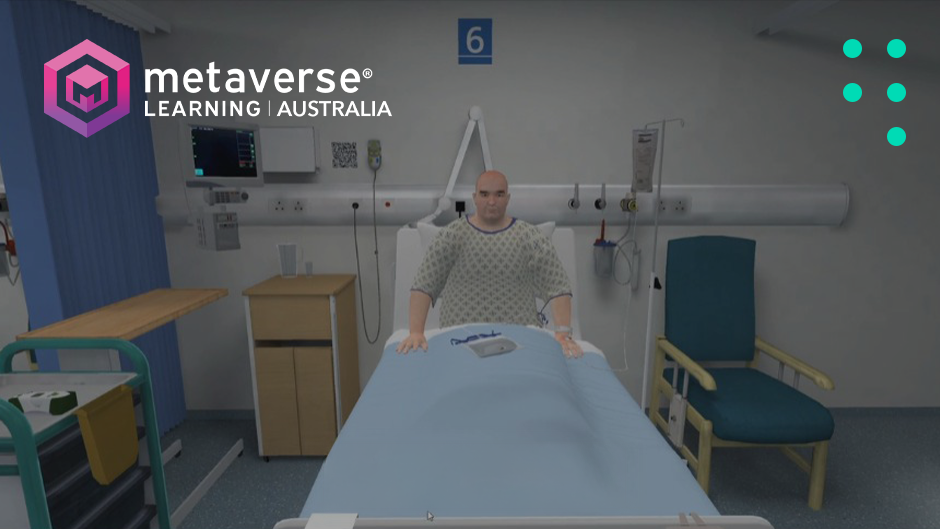
Follow up on the patient from initial patient observation by assessing and monitoring their recovery after an appendectomy in a hospital ward setting.
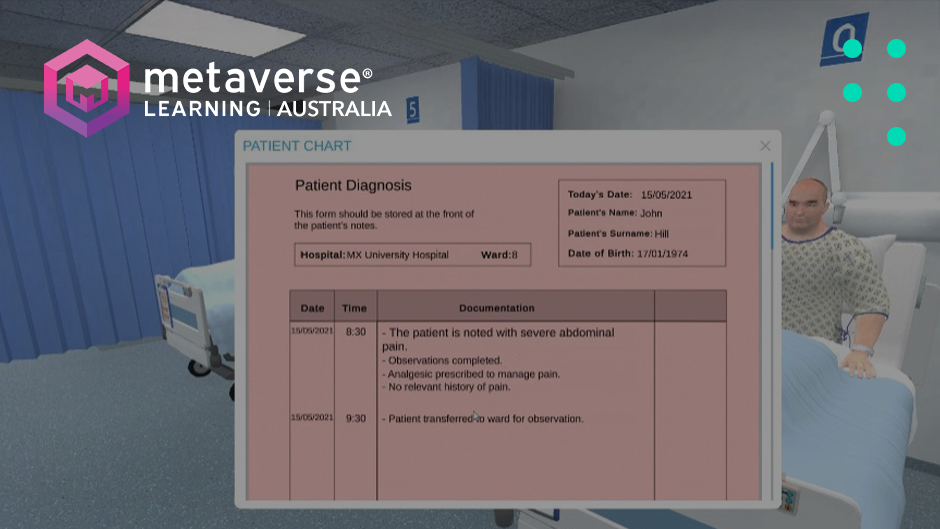
Carry out vital sign observations on a newly admitted patient presenting with abdominal pain in a hospital ward.
Our catalogue is expanding with exciting new industry areas designed to bridge critical skills gaps.
Authentic hands-on learning mapped to Australian standards.
Carpentry & Joinery
Master essential trade skills through realistic workshop scenarios
Bricklaying
Build confidence with hands-on construction simulations
Early Learning
Develop nurturing skills in safe, controlled environments
Explore our expanding library of immersive learning programs, each designed to inspire, engage and empower learners across key education and workforce domains. From health and nursing to education, hospitality and emerging trades, our catalogue places accredited, scenario-based training into the hands of educators, ready to deploy and ready to make a difference.
Whether you're integrating hands-on XR into existing programs or shaping new experiential pathways, our catalogue offers scalable, standards-aligned content backed by 25+ years of learning design and sector expertise.
Accredited mapping
Sector-specific simulations mapped to nationally accredited units
Flexible licensing
Fit classrooms, immersive labs or remote settings
Accessible learning
Available across multiple devices and learning environments
Embedded support
Adoption, compliance and learning design assistance
Experience how our XR learning solutions have redefined education and elevated engagement for our partners
91% of learners prefer Virtual Reality training over standard E-learning.
80% increase in learner confidence when learning through immersive Virtual Reality or Virtual Environments.
30% savings on your training consumables when using online training to support your existing scenarios.